"Eliminate White Spots on Wood Table: Easy Homemade Solutions"
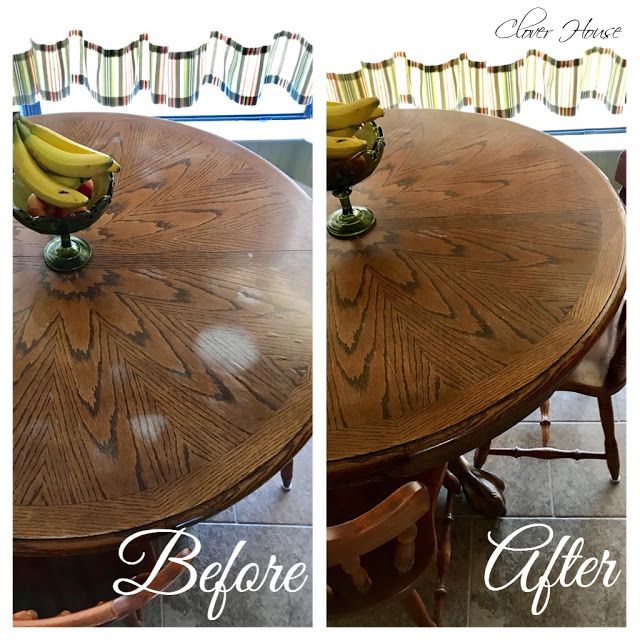
Have you noticed unsightly white spots or marks on your once-beautiful wood table? They can be caused by various reasons like water stains, heat exposure, or even fungi. Fortunately, removing them is not as daunting as it might seem. In this guide, we'll explore effective methods to help you restore your wood table's natural charm.
Before we delve into the solutions, it's crucial to understand that not all wood types react similarly to treatments. Always ensure you're using the right approach for your table's wood species. Now, let's tackle the white spots and marks step-by-step.
Identifying the Cause of White Spots
Pinpointing the cause helps in choosing the appropriate removal method. Here's how to differentiate between common culprits:


Water Stains
Water stains often appear as darker or lighter rings on the wood surface. They're typically easy to spot as they manifest in areas where moisture is present, such as around humidity-prone objects or near plumbing issues.
Actionable steps include mitigating the source of moisture, allowing the wood to dry naturally, and then addressing the stains using methods we'll discuss later.


Heat Stains and Marks
Heat exposure, particularly from sunlight or direct heat sources like radiators or heaters, can cause white marks and discoloration on wood. These stains may not be immediately visible but will materialize over time.
Reduce heat exposure by rearranging furniture, using sun-blocking window treatments, or relocating heat sources. Once the wood has cooled and equilibrium is reached, you can attempt to blend out the marks.
Removing White Spots from Wood Tables
After identifying the cause and mitigating the source, it's time to tackle the white spots and marks directly.
Light Sanding and Touch-Up
For surface-level marks, gentle sanding and touch-up can work wonders. Use fine-grit sandpaper (220-grit or above) to lightly sand the area. Wipe off dust with a damp cloth, apply a stain or matching touch-up marker, and finally, seal with a suitable finish. Remember to sand with the grain of the wood and test on a hidden area first.
Example: For minor water stains, light sanding and touch-up can often restore the wood's appearance without needing heavier treatments.
Applying Heat and Moisture
For stubborn heat stains, you can attempt to reverse the process by applying gentle heat and moisture. Soak a clean cloth in warm water, wring it out, and then place it over the mark. Gently heat the cloth with an iron on the lowest setting until the cloth and wood both cool.
Be cautious when using this method, as excessive heat and moisture can cause further damage. Always test on a hidden area first and monitor the process closely.
Chemical Stain Removers
For tenacious stains, store-bought or homemade chemical stain removers can help. Hydrogen peroxide with a small amount of dish soap, oxalic acid, or commercial stain removers can lighten or remove marks. Always test on a hidden area first and follow the manufacturer's instructions for safety and application.
Example: For water marks caused by excessive moisture, a homemade hydrogen peroxide solution might be effective in lightening or removing the stains.
In each case, remember to reassess the wood's finish and reapply as necessary to maintain a uniform look. Regular maintenance and protective measures can help prevent white spots and marks from forming in the future. Keep your wood table looking its best with a well-maintained environment and gentle care.
Related Articles

How to Remove Heat-Scorch White Spots from Wooden Tabletops
Are you tired of that unsightly white spot on your wood table that seemingly appeared out of nowhere? It's likely due to heat exposure. Wood is a hygroscopic...
How to Remove White Heat Spots from Wooden Tables
If you've recently acquired or refinished a wooden table, you might have noticed unsightly white heat spots marring its Surface. These marks, often caused by...
"Banish Hot Spots: Easy Ways to Remove Marks on Wooden Tables"
Have you noticed unsightly, discolored spots on your wooden table? These hot spots, often caused by heat or moisture, can detract from your table's beauty and...

"Eliminate Blank Cells: A Step-by-Step Guide to Pivot Table Data Cleanup"
Ever found yourself staring at a pivot table cluttered with blank cells, wishing you could magically make them vanish? You're not alone. While Excel and other...

DIY Wood Burning Stove: Easy Step-by-Step Guide
Nestled in the heart of your home, a wood-burning stove offers a delightful ambiance, warmth, and a cozy atmosphere that's unparalleled. While store-bought...

"Eliminate Car Paint Water Spots: Ultimate Removal Guide"
Is your car splattered with water spots? If you've just driven through a storm or parked too close to a sprinkler, you may have noticed unsightly water spots...