"Banish Hot Spots: Easy Ways to Remove Marks on Wooden Tables"
Have you noticed unsightly, discolored spots on your wooden table? These hot spots, often caused by heat or moisture, can detract from your table's beauty and are challenging to remove. But fear not, as it's possible to restore your table to its former glory with the right techniques. Let's delve into how to remove hot spots on wood tables effectively.
Before we embark on this task, it's crucial to understand that patience and careful attention to detail are key. Removing hot spots on wood requires the right tools and a steady hand, but with the right approach, you can achieve stunning results.
Preparing Your Wooden Table
Before attempting to remove hot spots, it's essential to prepare your wooden table for the process. This step ensures that you get the best results and avoid further damage.


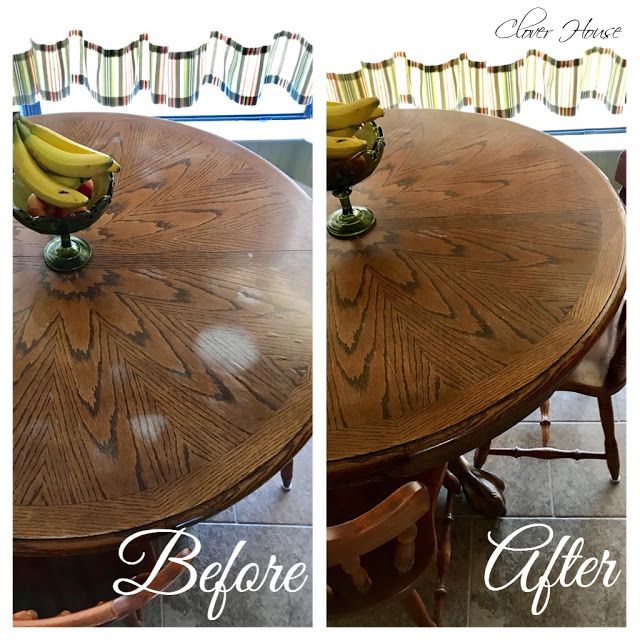
Begin by cleaning your table thoroughly. Use a mild soap solution and a soft cloth to remove any dirt or residue. After cleaning, allow the table to dry completely. This step is crucial as moisture can react with the treatments you'll apply later, causing unwanted results.
Identifying the Type of Finish
Identifying the finish on your wooden table is vital as the removal process varies depending on whether your table has a lacquer, varnish, polyurethane, or wax finish. You can often tell by the sheen: lacquer and varnish usually have a high gloss, polyurethane a slight sheen, and wax a matte or dull finish.


If unsure, perform a simple test. Rub a small, discreet area of the table with a cotton swab dampened with denatured alcohol. If the finish softens or removes, it's likely lacquer or varnish. If not, it's probably polyurethane or wax.
Gathering Your Tools
Now that you've prepared your table and identified its finish, gather your tools. You'll need: a fine-grit sandpaper (220 or higher), sanding block, tack cloth, touch-up markers or stain (matched to your table), finishing oil or wax (for oiled/waxed tables), and a soft, lint-free cloth.
For stubborn hot spots, you might need a wood bleach to lighten the affected area. Always test wood bleach on a hidden part of your table first to ensure it doesn't discolor or damage the wood.
Removing Hot Spots
Now that your table is prepared, and your tools are gathered, it's time to remove the hot spots. Remember, the goal is to blend the hot spots with the rest of the table, not to remove all color.
Start by lightly sanding the hot spots using a sanding block and fine-grit sandpaper. Sand with the grain of the wood, being careful not to sand too deeply. Wipe away dust with a tack cloth.
Matching the Stain
If your table has a stain finish, use touch-up markers or stain to match the color of the unaffected areas. Apply a small amount to the hot spots, using a cotton swab or artist's brush, and wipe away any excess with a soft, lint-free cloth.
If the stain isakt too dark or uneven after drying, lightly sand the area again with a medium-grit sandpaper (120-150) and reapply the stain. Repeat this process until you achieve the desired color.
Applying Finishing Oil or Wax
If your table has an oiled or waxed finish, use a finishing oil or wax to blend the hot spots. Apply a small amount to the affected area using a cotton swab or brush, and allow it to soak in. Wipe away any excess with a soft, lint-free cloth.
Think of this step as feeding the wood, rather than covering it. The oil or wax will penetrate the wood, darkening it slightly and evening out the color of the hot spots. You may need to reapply the oil or wax several times to achieve the desired effect.
Using Wood Bleach
If the hot spots are caused by heat, rather than moisture, you might need to use wood bleach to lighten the affected area. Apply the wood bleach according to the package instructions, usually with a brush or cotton swab. Be sure to wear gloves and work in a well-ventilated area.
After applying the wood bleach, allow it to sit for the recommended time, then wipe it off with a damp cloth. Neutralize the bleach with a solution of white vinegar and water, then rinse and dry the area. If the hot spot is still too dark, allow it to dry completely and sand it lightly before reapplying the stain or finish.
Finally, allow your table to dry completely before giving it a final once-over with a soft, lint-free cloth. With patience and careful attention, you've successfully removed the hot spots, revealing your wooden table's natural beauty once again. Regular maintenance and care will help your table retain its charm for generations to come.
Related Articles
How to Remove White Heat Spots from Wooden Tables
If you've recently acquired or refinished a wooden table, you might have noticed unsightly white heat spots marring its Surface. These marks, often caused by...

"Eliminate White Spots on Wood Table: Easy Homemade Solutions"
Have you noticed unsightly white spots or marks on your once-beautiful wood table? They can be caused by various reasons like water stains, heat exposure, or...
How to Remove Heat-Scorch White Spots from Wooden Tabletops
Are you tired of that unsightly white spot on your wood table that seemingly appeared out of nowhere? It's likely due to heat exposure. Wood is a hygroscopic...
How to Remove Heat Stains from Wooden Tables
Nothing can diminish the charm of a wooden table like heat stains. These unsightly marks can appear from hot pots, pans, or even mugs left unattended...

How to Remove Ink from Wooden Table
Accidents happen, and if you've found yourself with ink stains on your beloved wooden table, you're not alone. But fear not, as these marks aren't permanent...

Restoring Wood Tables: Remove Nail Polish Stains with Ease
Ever accidentally used nail polish remover on your wooden table instead of that stubborn stain? Fear not, as it's a common mistake, and your wooden table can...