Mastering 3-Digit Combination Locks: Crack the Code Easily
Unlocking the secrets of a three-digit combination lock can often feel like solving a puzzle, a challenge that many face daily. Whether you've forgotten your gym locker combination or trying to figure out the office safe, this guide will walk you through methods to crack it, step by step.
Before we dive into various techniques, let's understand the basics. Most three-digit combination locks operate on a mechanism where each digit selects a different lever, and when the correct combination aligns all levers, the lock opens. Now, let's explore some techniques to crack this lock.
Inspection and Initial Assessment
A closer look at the lock can reveal valuable clues. Check for signs of wear or dirt on certain numbers, for instance, around the 0, which might suggest it's part of the combination. Some locks also have sticking points, numbers that are harder to turn, potentially indicating they're part of the combination.


Additionally, observe the lock's movement. Does it stop smoothly at certain numbers? If it hesitates or requires extra force to turn, note those numbers down.
Manufacturing Numbers
One popular method is the "trial by manufacturing numbers" technique. This approach relies on the assumption that the combination uses numbers 0-9 in a specific pattern. Start with combinations like 000, 001, 002, etc., moving through the numbers systematically. If the lock opens, you've found your combination. If not, move on to other potential patterns, like 012, 123, 234, and so forth.


This method works because many manufacturers use a standard set of combinations for their locks, making it a reliable starting point. However, if the lock isn't following this pattern, you'll need to look into other methods.
Trial and Error
Another straightforward approach is sheer trial and error. Starting with 000, simply try every possible three-digit combination until the lock opens. This method can be time-consuming but is guaranteed to work, given enough time and patience.
To optimize this process, consider skipping combinations that seem unlikely based on your initial assessment. For example, if the lock feels stiff when turning to 9, you might want to leave combinations like 999 for later or skip them entirely if other numbers seem more promising.
Listening and Feeling the Click
For those with a more auditory or tactile preference, learning to recognize the "click" sound or feel when the lock is correctly aligned can be quite useful. This method relies on your ability to discern a subtle difference in the lock's movement and sound when a correct number is selected.
Spin the dial slowly, listening for a slight 'catch' or 'click', and feeling for any added resistance. If you sense a difference at a certain number, make a note of it. Once you've recorded all the numbers that feel or sound different, try various combinations using these numbers until you find the correct sequence.
Single Digit Cracking
If the lock feels stiff on certain numbers, it might be worth trying to crack each digit individually. This method assumes that the first and second numbers have a fixed position, typically at the left and center of the lock. Start with the most likely combinations based on your initial assessment, trying to crack each digit one at a time.
For instance, if you suspect the second number is 5 based on wear and tear, try combinations like 500, 501, 502, and so on. If none of these work, move on to the next most likely second number and repeat the process. Once you've found the second number, use the same approach to crack the first and third digits.
Impossible and Forgettable Combinations
A final method to consider is eliminating impossible and forgettable combinations. This approach is based on the psychology behind setting a combination - most people avoid using numbers that are difficult to remember or those that seem silly or illogical.
To apply this method, consider which numbers might be unlikely to choose as a combination. For example, you might skip combinations that start with 0, as it's often considered unnecessary. Additionally, you could omit repetitive numbers, like 111 or 222, as they're forgettable. Similarly, avoid sequential numbers like 123 or 456, as they're too easily cracked.
Remember, practice makes perfect when it comes to cracking locks. The more you experiment with different techniques, the better you'll become at recognizing patterns and identifying potential combinations. Happy unlocking!
Related Articles

Mastering Combination Locks: How to Crack Your Secret Code
Ever found yourself in a pickle, staring at a combination lock that's suddenly forgotten its secrets? Don't panic; there are a few methods you can try to break...
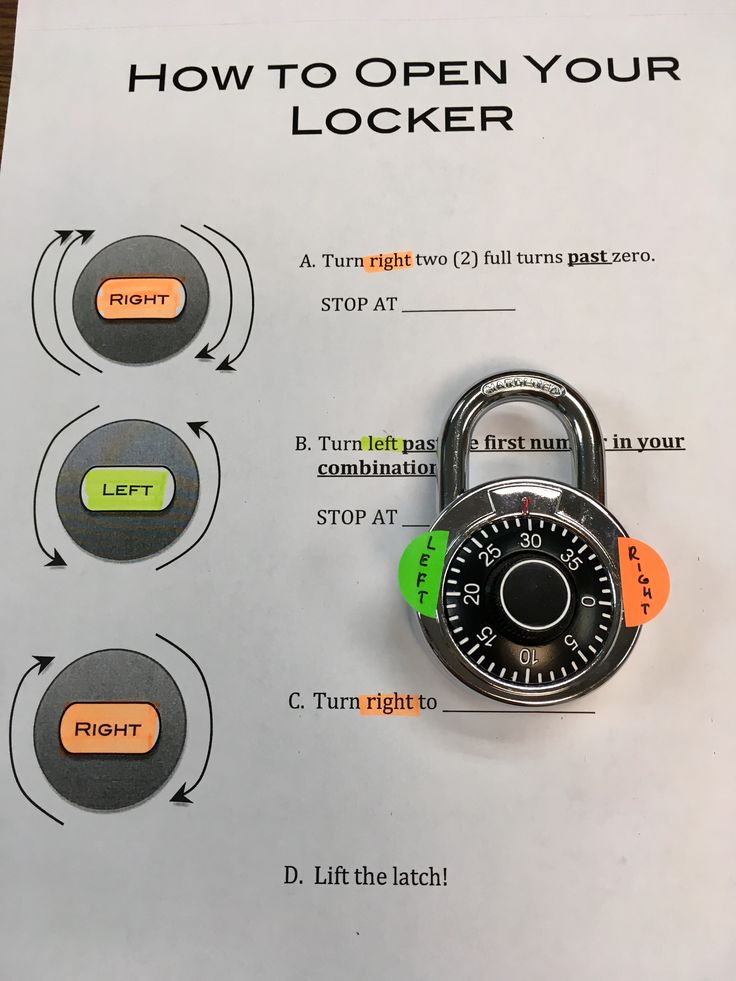
Mastering 3-Digit Combination Locks
Ever found yourself stranded at a locker, hungry for your freshly made lunch, only to remember you can't recall the numbers to your 3-digit combination lock?...
Crack 3-Digit Combination Lock: Master the Steps
Ever found yourself stumped in front of a 3-digit combination lock, staring blankly at the numbered wheel? You're not alone. These locking mechanisms are...

Crack 3-Digit Combination Lock Box: Unlock Secrets Now
Ever found yourself in a pickle, staring at a sturdy, three-digit combination lock box that's standing between you and your valuables? You're not alone...

Mastering 3-Digit Combination Locks: How to Open in Seconds
Ever found yourself locked out, staring at a three-number combination lock, wondering how to gain access? Fear not! This comprehensive guide will walk you...

Mastering 3-Wheel Locks: How to Crack a Combination
Ever found yourself stuck with a 3-wheel combination lock? Don't fret! With patience and a few techniques, you can crack it open. Here's a step-by-step guide...