Mastering Combination Locks: How to Crack Your Secret Code
Ever found yourself in a pickle, staring at a combination lock that's suddenly forgotten its secrets? Don't panic; there are a few methods you can try to break a combination lock without causing physical damage or resorting to a sledgehammer. In this guide, we'll explore safe and practical techniques to help you unlock your combination lock and regain access.
Before you dive in, remember that breaking a combination lock should be a last resort. It's always best to attempt to recall the combination first. Try using logical patterns or numbers related to the lock's owner or purpose. If you're still having no luck, let's explore some practical methods to help you break that lock.
Manual Manipulation Techniques
These methods involve manipulating the lock mechanism using manual dexterity and a bit of finesse. They're safe and won't damage your lock, but they do require a steady hand and patience.


Always be gentle and precise when attempting these techniques to avoid causing damage or becoming frustrated. Here are two methods to try:
Combination guessing
This technique involves turning the dial to the left and right while feeling for tiny clicks or notches. Each click usually represents a number on the combination. By slowly turning the dial and feeling for these clicks, you can deduce the combination.
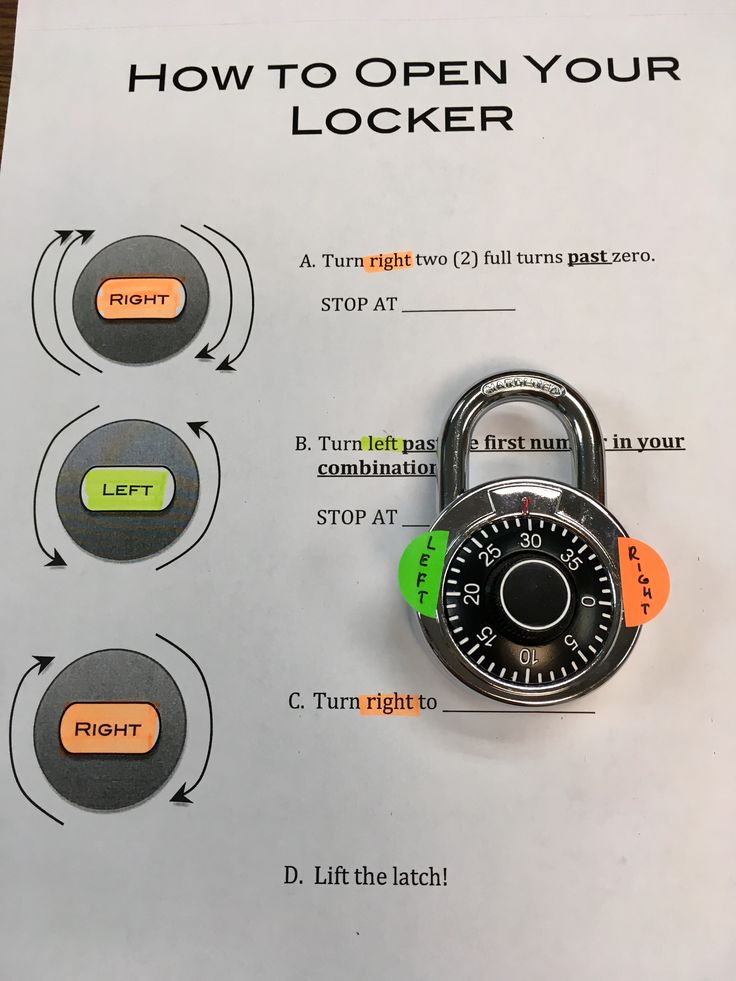

To attempt this method:
- Start by turning the dial slowly to the left until you feel the first number's click. Make a note of it.
- Continue turning left until you feel the second number's click. Record it.
- Do the same for the third number, turning right this time.
Once you've found all three numbers, try entering the combination you've recorded. If it works, great! If not, you might have made a tiny mistake, so try again.
Wobble method
The wobble method works on the principle that when the correct number is dialed, the lock's internal lever aligns and creates a tiny gap. By listening for this change in friction, you can determine the correct number.
To try this method:
- Turn the dial to the left and right, paying close attention to any sudden changes in resistance or friction.
- When you feel a change, make note of the approximate number. You might not get an exact numeral, but a good estimate will suffice.
- Repeat the process for the remaining numbers, again making note of any changes in friction.
- Once you have all three "numbers," try dialing the combination you've recorded. If it doesn't work, revisit each number and refine your estimate.
Using Lock Picking Tools
If manual manipulation techniques aren't working, you might want to consider using lock picking tools. These tools can help you bypass the combination entirely by manipulating the lock's internal mechanism directly.
Before attempting this method, remember that lock picking is a skill that requires practice and patience. It's also important to note that using lock picking tools might void any manufacturer's warranties on your lock. Furthermore, it's crucial to be aware of any local laws regarding lock picking, as some places have restrictions on the use of these tools.
Lock picking tools
To pick a combination lock using specialized tools, you'll need a few items:
- A tension wrench: This tool is used to apply tension to the lock's core, simulating the turning force of the dial.
- A hook pick or a half-diamond pick: These tools are used to manipulate the lock's internal levers, known as wafer locks, disk detainers, or pin stacks.
To attempt this method:
- Insert the tension wrench into the lock and apply slight counterclockwise turning pressure, as if you were opening the lock with the correct combination.
- Insert the hook pick or half-diamond pick into the bottom of the lock, using it to feel for the individual wafers or pins.
- Using a delicate touch, manipulate the tool to lift and hold the wafers or pins in place while maintaining tension on the wrench.
- Once all the wafers or pins are set, the lock should open. If you're having trouble, try another pick or adjust your tension.
Practice makes perfect with lock picking, so don't get discouraged if it takes a while to get the hang of it. Start with simpler locks and gradually work your way up to more complex ones.
Alternative tools
If you don't have lock picking tools on hand, there are a few alternative tools you can try:
- Dental floss: By inserting a string of dental floss into the lock and tautening it, you can sometimes snag the internal lever and pull it to the open position.
- Paperclip or straightened wire: When bent appropriately, a paperclip or straightened wire can be used to manipulate the lock's internal mechanism, similar to a pick.
While these alternatives might not work as well as proper lock picking tools, they can sometimes help you unlock a combination lock in a pinch.
In many cases, breaking a combination lock can be accomplished with patience and the right techniques. Whether you're using manual manipulation, lock picking tools, or alternative tools, remember to approach the process gently and with a steady hand. With practice, you'll soon find yourself unlocking combination locks with ease.
And there you have it – a comprehensive guide to breaking a combination lock. The next time you find yourself staring at a forgotten combination, you'll know exactly how to tackle the challenge. Happy unlocking!
Related Articles
Mastering 3-Digit Combination Locks: Crack the Code Easily
Unlocking the secrets of a three-digit combination lock can often feel like solving a puzzle, a challenge that many face daily. Whether you've forgotten your...

Mastering 3-Wheel Locks: How to Crack a Combination
Ever found yourself stuck with a 3-wheel combination lock? Don't fret! With patience and a few techniques, you can crack it open. Here's a step-by-step guide...

Mastering Yale Locks: Opening with a Code
Have you ever found yourself in a situation where you needed to open a Yale lock but couldn't remember the code? Don't worry, you're not alone. This...

Mastering Sentry Safe: A Step-by-Step Guide to Change Your Combination
If you've purchased a Sentry Safe to protect your valuable items, at some point you may need to change the safe's combination for enhanced security. This guide...
Mastering Combination Locks: A Simple Guide to Decode in Seconds
Picture this: You've just arrived at your locker, ready to grab your books and head to class, but disaster strikes. You can't remember the combination to your...

"Emergency Safe Entry: Crack Your Combination Lock Safes Without the Key"
Picture this: you're standing in front of your safe, key in hand, ready to access your valuables. Suddenly, you realize the key isn't turning. It's stuck, or...