Master Lock Combination: How to Pick & Break In
Master lock combination locks are a staple in securing everything from lockers to suitcases, and occasionally, we may find ourselves in a situation where we've forgotten the combination. This article guides you through safe and responsible methods to attempt to unlock a master lock combination lock, without causing damage.
Before proceeding, remember that attempting to unlock a lock you don't own may void warranties and could lead to legal complications. Only attempt to open locks when you have permission or legal authority to do so. Now, let's explore two primary methods to crack a master lock combination: manual alignment and so-called "bump keying".
Understanding Master Lock Mechanisms
Master locks use a series of locked wheels, each representing a number. To unlock, all wheels must align simultaneously. Understanding this mechanism is crucial for attempting to open the lock manually or using other methods.


Master locks use a five-wheel configuration, with each wheel having 10 numbers, giving a total of 100,000 possible combinations. While this seems daunting, with the right technique, you can significantly reduce the attempts.
Manual Alignment Method
Manual alignment relies on gentle manipulation and a keen ear to identify the correct positions.
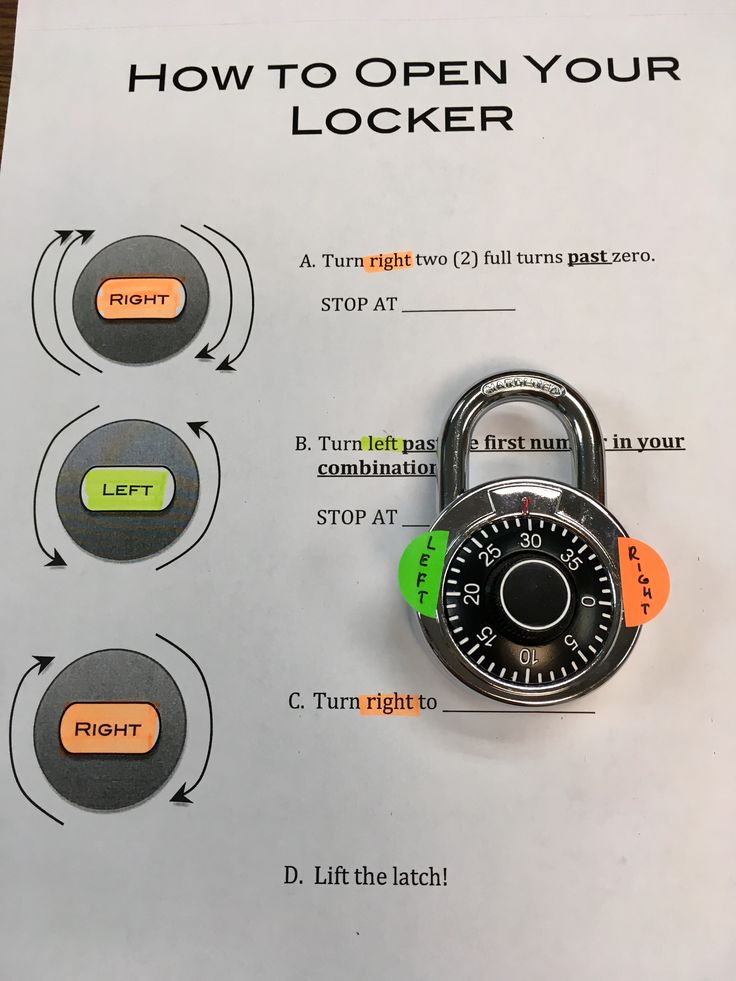

Preparation
Choose a locking point (usually the middle numbers in a five-wheel lock). Start turning the dial towards this point while listening for a slight change in the lock's sounding. This indicates that one wheel has locked into place.
Similarly, listen for the change in sound when turning away from your chosen point. This indicates the wheel is unlocked. Repeat this process for all five wheels, making note of the tension points for each wheel.
Aligning the Wheels
Now, turn the dial back to the first locking point. As you reach this point, gently place an Allen key or a thin object in the space between the lock body and the dial's face. Lightly apply pressure while turning the dial towards the next locking point.
Continue this process, moving from one locking point to the next. At the final locking point, you should feel and hear the lock open. If turning the dial to the correct combination doesn't open the lock, try again, as the wheels' alignment can be delicate.
Bump Keying Method
Bump keying exploits the lock's vulnerability to sudden impacts, making a-bump key a makeshift pick. This method requires precision and practice to avoid damaging the lock. In fact, using bump keys is banned in some jurisdictions, so check your local laws before attempting this method.
Creating a Bump Key
Start with a blank key cut to match your lock's keyway. File or cut a deep "V" groove in the key's face, leaving the two outer edges untouched. This grooved area will "bump" the pins in the lock's cylinder.
Alternatively, you can purchase bump keys online, which are specifically designed for this purpose.
Using a Bump Key
Insert the bump key into the lock. Use a small hammer or a robust, gloved fist to apply a sharp impact to the end of the key while turning it slightly clockwise. The idea is to create a jolt that momentarily misaligns the pins in the lock's cylinder.
If done correctly, you should feel and hear the lock click open. If not, try again with slightly more or less force. Be patient and precise, as excessive force can damage the lock.
The reality of trying to unlock a master lock combination is that it often requires multiple attempts and some degree of luck. Always remember to respect others' property and privacy, and only attempt to unlock a lock when necessary and authorized. Should you find yourself repeatedly unsuccessful, consider seeking professional help to open the lock without causing damage.
Related Articles

Master Lock Combination: How to Pick: Simple Steps
If you're on the hunt for a robust, reliable lock to safeguard your belongings, a master lock combination lock is an excellent choice. With numerous options...
Breaking a Master Lock Combination: Step-by-Step Guide
Ever found yourself in a pickle, staring at a locked door with nothing but your wits and a determined expression? If that lock happens to be a master lock with...

How to Open a Master Lock Without Combination
Ever found yourself in a pickle, staring at a master lock with no clue about the combination? Don't panic. There are a few methods you can attempt to open it...
How to Open a Master Lock Without the Combination
Master locks are renowned for their durability and security, but what happens when you've forgotten the combination? Fear not, for there are techniques to open...

Master Lock Hack: Open Combination Locks Without Codes
Ever found yourself in a situation where you've misplaced the combination to your master combination lock, or perhaps you've simply forgotten it? Don't worry...

Master Lock No 5 Pick Tutorial: Step-by-Step
Ever found yourself locked out of your locker, your bike, or even your car, only to realize you've lost the keys or forgotten the combo? Don't despair! It's...