How to Open a Master Lock Without Combination
Ever found yourself in a pickle, staring at a master lock with no clue about the combination? Don't panic. There are a few methods you can attempt to open it without the combination. Remember, these methods should be used responsibly and ethically, perhaps when you've locked yourself out and have no other option. Let's delve into these techniques, step by step, ensuring safety and understanding the mechanisms at play.
Master locks are popular due to their strength and versatility. They're used everywhere, from gym lockers to luggage. But their toughness can be a double-edged sword when you can't remember the combination. Before we start, ensure the lock is indeed a master lock. The brand logo or the word 'Master' should be engraved on the lock.
Understanding Your Master Lock
Master locks are combination dial locks, typically with a 3-digit combination. They use a lever system to lock and unlock. Each wheel represents a number, and lining up the 0 on all wheels aligns a gate that allows the shackle to release. Understanding this mechanism is key to most of our methods.


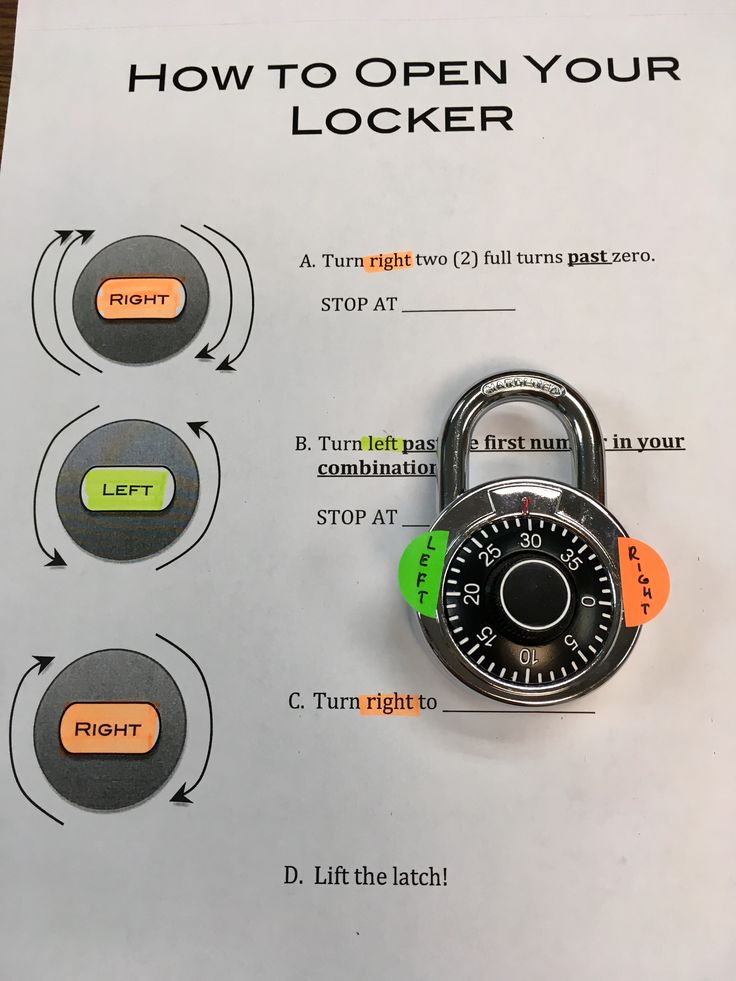
The most common Master locks use a 40-pin tumbler system. This means there are 40 potential positions each digit can be set to. For a 3-digit lock, that's 40^3, or 64,000 potential combinations. It's a big number, but with patience and the right techniques, we can narrow it down.
The Trial and Error Method
This method involves systematically trying combinations, even without any clues. It's time-consuming but effective if you're patient. Start with all zeros, then try incrementing various numbers. You could try sequences like 000 to 999, or 001 to 099, then 100 to 199, and so forth. It's slow, but it only takes one successful try to open the lock.

To optimize this method, use a lock picking tool or a thin piece of wire to listen for the click when the gate aligns. This sound is quieter than the usual clicking of the wheels, and you can feel it in the lock mechanism. Pause at this click and try locking and unlocking the shackle to see if it's open.
The Datum Point Method
This method relies on the fact that one of the numbers in your combination is the easiest to find - the one closest to 0. Using a number that's several steps away from 0 adds more friction to the lock, making it harder to spin. Start by setting all numbers to 0, then spin each wheel one direction until it stops, note the number, then spin it back to 0.
Once you have all the datums (the numbers closest to zero), try every combination of these numbers. If the dials are smooth and consistent, the datums should give you a valid combination. If not, you might need to recheck your datums or try nearby numbers.
Advanced Techniques for Unlocking Master Locks
If the above methods don't work, or if the combination is too complicated for trial and error or the datum point method, you might need to resort to more advanced techniques. These involve manipulating the lock mechanism directly and require more knowledge and experience.
Tools like lock picks, tension wrenches, and racking wrenches can be used to manipulate the lock's pins and spring system. These tools can be purchased online or at locksmith supply stores. Using them requires practice and understanding of the pin system. Tutorials and guides are available online, but always remember to practice responsibly and ethically.
The Shimming Method
Shimming involves using a thin tool, called a shim, to push up the pins in the lock until they all align and release the lock. It's a delicate process that requires precision and control. The shim should be inserted just below the bottom pin, then slowly lifted until all pins are aligned. This method can be used on many master locks, but not all, and it's more advanced than the other methods.
Always remember that shimming involves manipulating the lock mechanism directly and should only be used when necessary, for example, when you've exhausted all other options and are sure the combination is not available. It's also crucial to practice on discarded locks first to understand the technique and its limitations.
The Lock Bumping Method
Lock bumping uses a specialized key called a bump key to force all the pins in the lock to jump to their shear line at once. This method is relatively simple but requires a special key, which can be challenging to obtain. The bump key is inserted into the lock and then gently tapped with a hammer or another object. The force causes all the pins to align simultaneously, releasing the lock.
Lock bumping is a controversial technique due to its ease of use and the potential for misuse. Many people argue it makes locks less secure. Always use this method responsibly and only when necessary, and remember that master locks are generally more resistant to bumping due to their robust design and strong springs.
In the vast majority of cases, using the right technique and a bit of patience can help you open a master lock without knowing the combination. Whether you're locked out of your gym locker or can't recall your luggage's combination, there's almost always a way to get back in. So, stay calm, use the techniques responsibly, and always remember that practice makes perfect. Happy unlocking!
Related Articles
How to Open a Master Lock Without Combination
Ever found yourself in a lockout situation with a master lock but no combination? It's frustrating, but don't panic. There are several methods to open a master...
How to Open a Master Lock Without the Combination
Master locks are renowned for their durability and security, but what happens when you've forgotten the combination? Fear not, for there are techniques to open...

Master Lock Hack: Open Combination Locks Without Codes
Ever found yourself in a situation where you've misplaced the combination to your master combination lock, or perhaps you've simply forgotten it? Don't worry...
How to Open Master Combination Lock Without Combination
Picture this: you've found an old, dusty lockbox in your attic, filled with family heirlooms, but the combination has been long forgotten. Or perhaps you've...
How to Open a Master Combination Lock
Master combination locks, commonly found in safes and lockers, add an extra layer of security with their three-number code sequences. Opening one can seem...

Forget the Code? How to Reset Master Lock Without the Combination
Imagine this scenario: you've just arrived at your gym, eager to start your workout, but you can't proceed since your master combination lock on the locker is...