Mastering the Art: How to Write Straight
Straight, or "straight writing," often refers to concise, clear, and uncomplicated writing. It's a style that prioritizes easy understanding over complexity. If you're aiming to write straight, you're likely seeking to express your ideas clearly and effectively, without unnecessary jargon or convoluted sentences.
Mastering straight writing is an asset, especially in professional and academic settings. By adopting this style, you can communicate your thoughts more persuasively and engage your audience better. Let's delve into some practical tips and techniques to help you write straight.
Understanding Your Audience
To write straight, you need to understand whom you're writing for. The tone, complexity, and level of detail should cater to your audience's knowledge and expectations.
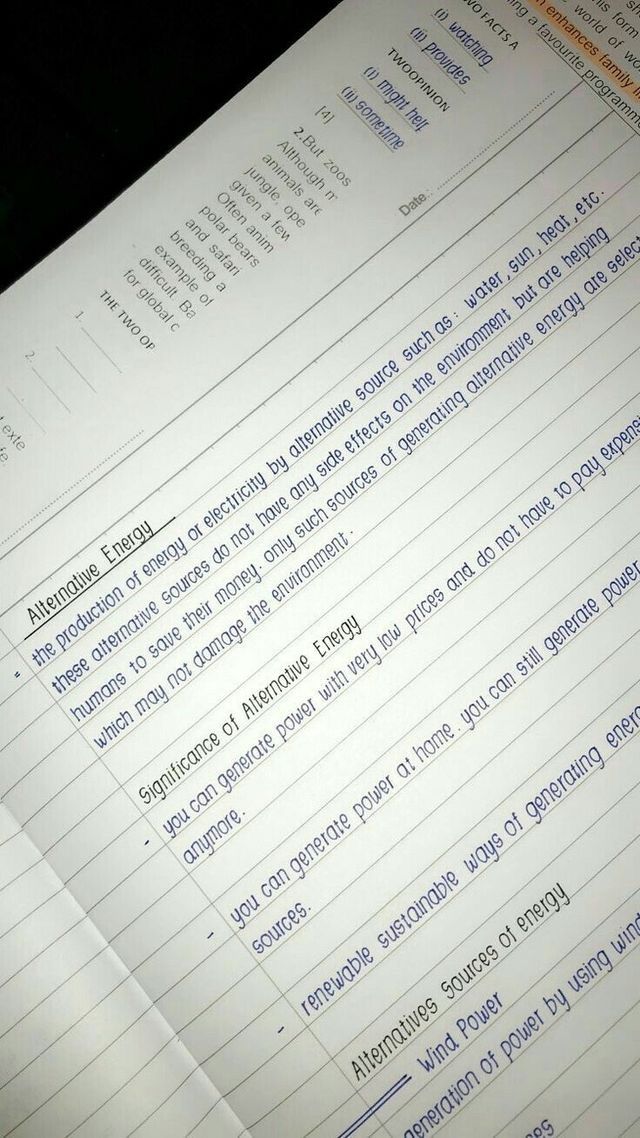


For instance, when writing for a general audience, use everyday language and simple sentence structures. Conversely, when writing for peers or experts in your field, more technical language can be employed, but it should still be clear and concise.
Know Your Purpose
Before you start writing, be clear about your purpose. Are you informing, persuading, or instructing? Understanding your purpose helps you structure and focus your content.


For example, if you're informing, ensure your content is thorough and accurate. If you're persuading, make sure your arguments are strong and compelling. If you're instructing, make sure your steps are clear and easy to follow.
Keep It Simple and Direct
Use short, straightforward sentences and paragraphs. This enhances readability and comprehension. Avoid fillers, jargon, and complicated vocabulary.
For instance, instead of saying "It is of the utmost importance that we complete this task," opt for "We must complete this task."
Using Transitional Phrases
Transitional phrases guide your reader through your writing, making it easier to follow your thought processes. They show relationships between ideas and keep your text coherent.
Common transitional phrases include 'moreover,' 'furthermore,' 'in addition,' 'on the other hand,' 'therefore,' 'consequently,' and 'in conclusion.'
signalling Cause and Effect
Using words and phrases like 'because,' 'as a result of,' 'due to,' and 'therefore' can help illustrate cause and effect relationships, making your writing more engaging and persuasive.
For example, instead of stating "We didn't meet our targets," you could say "We didn't meet our targets because we underestimated the time required for research."
Providing Examples and Illustrations
Providing relevant examples makes your writing more relatable and easier to understand. Illustrations, such as graphs, diagrams, or images, also reinforce your points.
Consider using analogies, anecdotes, or case studies to illustrate complex ideas, ensuring they're relevant and engaging.
Structuring Your Content Effectively
A clear, organized structure helps your reader follow your train of thought. Use headings, subheadings, bullet points, and lists to break up text and guide the reader.
Moreover, a well-structured piece allows readers to easily scan and navigate the content, picking out key points and information without having to read every word.
Using Headings and Subheadings
Headings and subheadings create hierarchy and guide the reader through your content. Use them to outline the main points and subtopics of your piece. They not only make your writing easier to read but also help with search engine optimization (SEO).
For instance, an article about 'How to Train your Dog' might include headings like 'Establish a Routine,' 'Basic Commands,' and 'Reward Systems,' with each of these having subheadings under them.
Breaking Up Text: Lists, Bullet Points, and Tables
Lists, bullet points, and tables present information in bite-sized chunks, making your content easier to absorb. They're particularly useful for steps, comparisons, and numerical data.
For example, instead of listing the ingredients for a recipe in a paragraph, use a bullet-point list. This makes it more readable and scannable.
Writing straight is about clarity, conciseness, and directness. It's about expressing your ideas effectively and engagingly. With practice, understanding your audience, and keeping these tips in mind, you can enhance your straight writing skills significantly. So, next time you write, strive to make it straight – clear, simple, and direct. Now go forth and write straight!"
Related Articles

Mastering Polite Writing: A Comprehensive Guide to 'How to Write Nice'
Writing "nice" is more than just penning down words; it's about crafting a captivating narrative, evoking emotions, and leaving a lasting impact. It's about...

Mastering Fanfiction: A Step-by-Step Guide
Fanfiction,_clocking in at 37,500 words and 178 chapters at the time of writing, has become a cultural phenomenon. It's a creative outlet for millions...

Mastering Steam Reviews: A Comprehensive Guide on How to Write a Stellar Review
Have you ever wanted to share your gaming experiences, help others make informed decisions, or simply express your thoughts on a game you've played? Writing a...

Mastering Straight Shooting: A Comprehensive Guide on How to Shoot a Basketball Straight
Mastering the art of shooting a basketball straight is a fundamental skill that can significantly improve your game. Whether you're a beginner or an...

Mastering Straight Line Duplication: A Comprehensive Guide
Creating straight lines in Procreate, the powerful digital illustration app for iPad, can seem daunting at first, but with the right techniques and tools, it's...

Mastering the Art of Writing: A Comprehensive Guide
Embarking on the journey to improve your writing skills can be both challenging and rewarding. With the right guidance and practice, anyone can enhance their...