Unlock Combination Locks: Simple Steps to Master
Ever found yourself puzzling over the dials of a combination lock, unable to recall the correct sequence? It's a frustrating moment, but don't worry, you're not alone. This guide will help you unlock a lock combination quickly and efficiently, whether it's on your gym locker, luggage, or a pesky padlock you've forgotten the code to. Let's dive right in and get you on the fast track to unlocking those combinations.
First, let's understand why and how we forget combinations. Our brains can juggle a lot of information, but they're not designed to remember complex codes for every lock we encounter. Couple that with the sheer number of combinations we attempt to retain, it's no wonder we forget. Fear not, with a little practice and the right techniques, you can unlock any combination lock with ease. So, let's get started!
Understanding Combination Locks
Before we tackle the mechanics of unlocking, let's first discuss what makes a combination lock 'tick'. Fundamentally, all combination locks operate on a simple principle: aligning a set of wheels or discs to a specific point or slot. The correct sequence of these points allows the lock to open. Knowing this, we can see that unlocking a combination lock relies on finding the correct sequence of numbers (or symbols) that will align these wheels or discs.


Different locks have varying levels of complexity. Some may only require three or four spins, while others might need eight or more. But don't be daunted by the numbers. Even longer combinations follow the same basic principle and, with the right approach, can be cracked without too much trouble.
Identifying the Lock Type
Not all combination locks are created equal. The first step in unlocking a combination lock is identifying its type. The most common are the traditional push-button (or dial) locks, like those found on luggage, and simplified versions found on padlocks or smaller cases. Understanding the lock's mechanics will dictate your unlocking strategy:

- Push-Button Locks: These are the most common. They feature a series of push buttons that you press in sequence to open the lock.
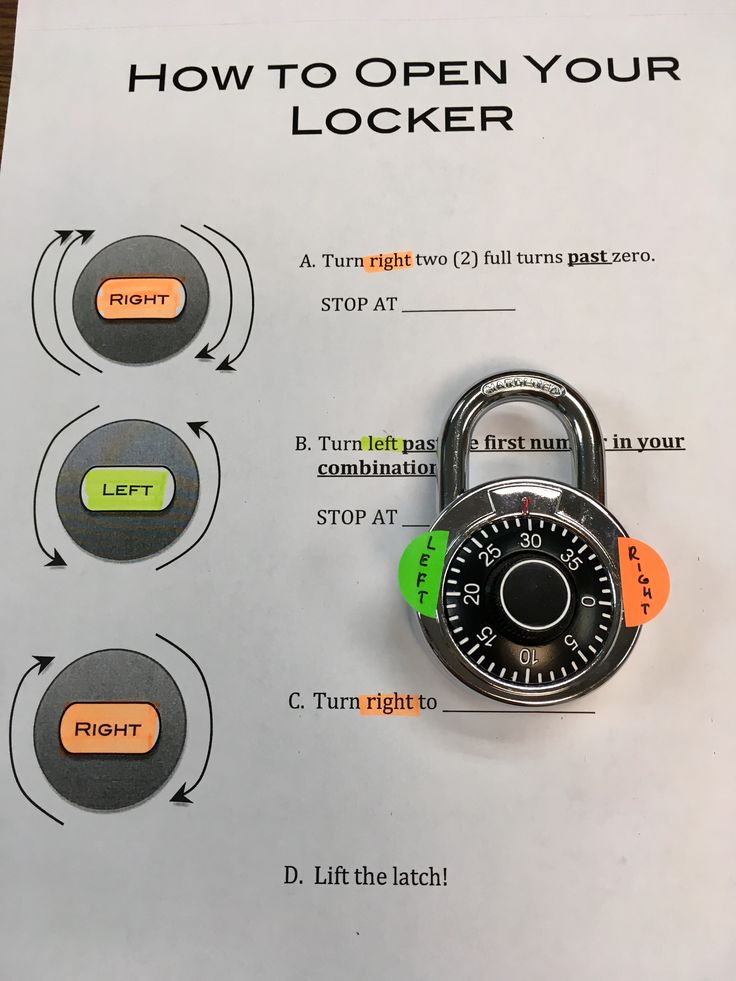
- Dial Locks: Like an old safe or gym locker, dial locks require you to spin the dial to the correct numbers in sequence.
Other lock types include directional tumblers (where you move a lever or dial in different directions) and more complex locks with alphanumeric codes or even code-rechange mechanisms. But for now, let's focus on the most common: push-button and dial locks.
Preventing Fingerprint Marks
When trying to open a combination lock, it's essential to avoid leaving visible fingerprint marks. These can give away your recent attempts and might help someone else work out the combination. To avoid this, don a pair of gloves or at least wipe the lock with a cloth between attempts.
Moreover, be discreet when unlocking. If you're in a public place, try to find a convenient spot where you can work on the lock away from prying eyes. The more stealthy you are, the less likely someone will notice your struggle to remember the combination.
Mastering the Technique: Methods to Unlock a Lock Combination
Now that we understand the basics, let's explore two effective unlocking techniques. Both require patience, precision, and above all, a calm and focused mindset. So, take a deep breath, read on, and get ready to impress yourself with your new-found lock-picking prowess.
Before we begin, remember that practice makes perfect. The more you use these techniques, the more intuitive they become. So, go ahead, grab a combination lock, and let's get started!
Method 1: The Enter-In Reverse-Outside-In (EI-R-OI) Method
This method is particularly effective for dial locks with three or four-digit combinations. It involves a series of steps, denoted by movements in and out of the correct numbers. Think of it like taking a dance-worthy route around the dial to find the combination's key steps.
Start by moving the dial past the first number of the combination, without stopping on it. Then, without skipping a beat, reverse the movement up to the second number, then out again to the third. Continue this dance until you find the right 'groove'. It's not just a guessing game; it's a rhythmic journey to the correct combination.
Method 2: The Dials and Stops Method
This method is ideal for push-button locks and can also be applied to dial locks with more complexity. It's a matter of feeling the 'stops' - the slight resistance you encounter each time you pass a wheel or disc position. Here's how it works:
Start by randomly pressing buttons on the lock. Each press should be firm enough to engage the mechanism but gentle enough not to overpower the stops. Once you've engaged a stopping point, slowly release the pressure. If you feel a distinct click or catch, you're onto something. Note down the number and continue your exploration.
Keep pressing buttons and noting stops until you've gathered a sequence. Once you have a sequence, play it back in reverse on the lock. If you've engaged the right stops, you should hear a distinct 'thunk' as the lock mechanism falls into place, and the lock opens.
Dealing with Lockout Situations
No matter how careful you are, there's always a chance you could face a lockout situation. This can happen due to wear and tear on the lock, repeated failed attempts, or even a faulty mechanism. Here's how to handle such situations and prevent them in the future:
First, make sure you're not applying excessive force. Gentle manipulation is the key. Combine this with the above techniques, and you'll have a better chance of unlocking the lock without causing damage. If force doesn't work, step away from the lock and assess the situation. There's no shame in seeking professional help when dealing with stubborn locks.
Tips to Avoid Lockouts
Prevention is always better than cure. Here are some tips to help avoid lockouts in the future:
- Choose a Memorable Combination: Make your combinations easy to remember. Avoid sequences of consecutive numbers or shared patterns (like '1234').
- Write It Down: If you're notorious for forgetting combinations, write it down in a secure place, like a password manager or a safe in your home.
- Regularly Use and Test Combinations: The more you use your lock, the more familiar you'll become with the combination.
Lastly, always maintain your locks. Regular lubrication and cleaning can help prevent mechanism wear and tear, reducing the risk of a lockout.
Unlocking a combination lock may seem intimidating, but with patience, practice, and the right technique, it's a skill anyone can master. So, the next time you find yourself staring at a combination lock, take a deep breath, remember these steps, and let the unlocking commence. After all, cracked combinations just mean you've got another lock to practice on. Happy unlocking!
Related Articles

Master Lock Combination: How to Pick: Simple Steps
If you're on the hunt for a robust, reliable lock to safeguard your belongings, a master lock combination lock is an excellent choice. With numerous options...

Unlocking 4-Digit Locks: Simple Steps in 2023
Ever found yourself in a pickle, staring at a 4-digit lock, with the combination escaping your memory? Don't worry, you're not alone. We've all been there. But...
Master Lock Hack: Open Combination Locks Without Codes
Ever found yourself in a situation where you've misplaced the combination to your master combination lock, or perhaps you've simply forgotten it? Don't worry...
Mastering Combination Locks: A Simple Guide to Decode in Seconds
Picture this: You've just arrived at your locker, ready to grab your books and head to class, but disaster strikes. You can't remember the combination to your...
Unlock Instantly: How to Open Master Lock Combination Padlock
Ever found yourself in a predicament where you've forgotten the combination to your master lock combination padlock? It's a common occurrence, but fear not! In...
Crack 3-Digit Combination Lock: Master the Steps
Ever found yourself stumped in front of a 3-digit combination lock, staring blankly at the numbered wheel? You're not alone. These locking mechanisms are...