Natural Solutions: How to Treat Dry Mouth
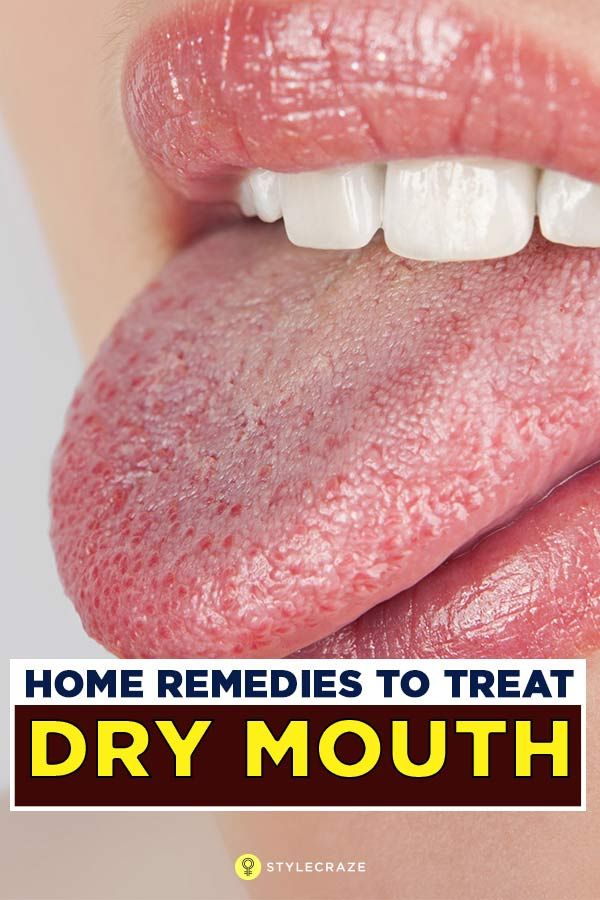
Dry mouth, medically known as xerostomia, is a common condition that can cause discomfort and affect your overall oral health. This condition, characterized by a lack of saliva, can make speaking, swallowing, and even tasting food difficult. While there are several medications that can alleviate dry mouth symptoms, many people seek natural remedies to manage this condition. This article explores how to treat dry mouth naturally, providing you with practical and effective solutions.
Understanding the causes of dry mouth is the first step towards managing the condition. Dry mouth can be caused by various factors, including dehydration, certain medications, aging, and specific medical conditions like Sjögren's syndrome. Smoking and alcohol consumption can also exacerbate dry mouth symptoms. By identifying the root cause, you can take targeted steps to mitigate dry mouth naturally.
Hydration and Lifestyle Changes
Hydration is key to managing dry mouth naturally. Drinking plenty of water can help stimulate saliva production and keep your mouth moist. Sipping water regularly throughout the day, rather than consuming large amounts infrequently, can help maintain your mouth's natural moisture levels.


Quitting smoking and reducing alcohol consumption can also help alleviate dry mouth symptoms. Both substances can irritate the mouth and throat, exacerbating dryness. Additionally, maintaining a healthy diet rich in fruits and vegetables can provide your body with the necessary nutrients to support overall oral health.
Saliva-Generating Foods and Drinks
Certain foods and drinks can stimulate saliva production, helping to alleviate dry mouth symptoms naturally. Crunchy fruits and vegetables, like apples and carrots, require a lot of chewing, which encourages saliva flow. Spicy foods can also stimulate saliva production, but be mindful of any mouth sensitivities.

Dairy products, such as yogurt and cheese, are also beneficial for managing dry mouth. They coat the mouth, protecting oral tissues and promoting saliva production. Sugarless candies and gum can stimulate saliva flow as well, but be aware that some individuals may be sensitive to the sugar alcohols used in these products.
Oral Hygiene and Mouth Rinses
Keeping your mouth clean is essential for managing dry mouth and preventing related complications like tooth decay and gum disease. Brush your teeth twice a day with a soft-bristled toothbrush and a fluoride toothpaste. Flossing daily can also help remove plaque and promote oral health.
Mouth rinses can provide temporary relief from dry mouth symptoms. Look for alcohol-free, sugar-free mouth rinses that do not contain harsh ingredients, as these can irritate and dry out the mouth even further. Saliva substitutes, available over-the-counter, can also help replenish and maintain moisture in the mouth.
Herbs and Natural Remedies
Certain herbs and natural remedies have been shown to promote oral health and alleviate dry mouth symptoms. Aloe vera juice, when consumed daily, can help increase saliva production and soothe oral tissues. Chewing on parsley or cilantro leaves can also stimulate saliva flow and freshen breath.
Some studies suggest that certain supplements, such as L-arginine and Pilocarpine, can help increase saliva production. Always consult with a healthcare provider before starting any new supplementation regimen to ensure it is safe and suitable for your individual needs.
Ginger and Turmeric Tonic
Ginger and turmeric have natural anti-inflammatory properties that can help promote oral health and alleviate dry mouth symptoms. To create a soothing tonic, combine fresh ginger and turmeric roots with lemon juice and warm water. Drink this concoction daily to help stimulate saliva production and reduce inflammation.
Alternatively, you can gargle with a mixture of warm water, turmeric, and black pepper to help moisten the mouth and freshen breath. This ancient Ayurvedic remedy has been used for centuries to promote oral health and wellness.
Incorporating these natural remedies and lifestyle changes into your daily routine can help manage dry mouth symptoms effectively. By staying hydrated, maintaining a balanced diet, and practicing good oral hygiene, you can promote overall oral health and minimize the impact of dry mouth on your daily life. Always consult with a healthcare professional if dry mouth symptoms do not improve or worsen, as they may be indicative of an underlying health condition.
Related Articles

Naturally Treat Your Dog's UTI: Easy Steps
Urine infections are quite common in dogs, causing discomfort, pain, and potentially serious health issues. While conventional medicine offers treatments, many...

Natural Hands Transformation: How To Remove Wrinkles At Home
Are you tired of looking at your hands and seeing the signs of aging? You're not alone. While wrinkles can creep up on us as we age, there are natural, simple...

Natural Philtrum Shortening: A Simple Guide
Are you conscious about the length of your philtrum, the groove that runs from the top of your upper lip to the base of your nose? While it's just a tiny part...

"Natural Dreadlock Growth: How to Grow Dreads at Home"
Embarking on a journey to grow dreadlocks naturally can be an exciting and rewarding experience. Dreadlocks, a unique hairstyle worn by people across various...

Go Natural: DIY Guide to Dye Locs
Have you been considering dying your locs but want to stay away from synthetic chemicals? You're in luck! Nature provides us with a wealth of options to color...

Natural Esophagus Healing: Your Holistic Guide
Do you often experience burning sensations or difficulty swallowing? You may be one of the many individuals suffering from esophageal disorders. While...