Mastering Tig Welding on Sheet Metal: Your Step-by-Step Guide
TIG welding, or Gas Tungsten Arc Welding (GTAW), is a versatile and precise welding technique widely used for joining various metals, including sheet metal. It's renowned for its ability to produce high-quality, clean welds with minimal distortion. If you're eager to learn how to TIG weld sheet metal, this comprehensive guide will walk you through the essential aspects, from equipment and settings to techniques and safety measures.
Before we dive in, let's assure you that mastering TIG welding requires dedication and practice. But with the right knowledge and approach, you'll soon be creating strong, aesthetic welds on sheet metal. So, let's ignite our welding torches and get started!
The Art of TIG Welding: Equipment and Settings
To begin your TIG welding journey, you'll need the appropriate equipment, including a TIG welder, tungsten electrodes, shielding gas, and of course, your sheet metal. Let's explore each component and the necessary settings for welding sheet metal.


Firstly, invest in a reliable TIG welder that suits your skill level and project requirements. Some popular options for sheet metal welding include the Lincoln Electric Square Wave TIG 200 and the AHP AlphaTIG 200X. Next, choose a tungsten electrode with a suitable diameter and grind it to a desired point shape. Commonly used sizes for sheet metal welding are 1/32" and 1/16", with a rounded or ball-shaped point.
Selecting the Right Shielding Gas
For welding sheet metal, argon gas is typically the shielding gas of choice for TIG welding. Argon creates a stable, inert atmosphere around the welding puddle, preventing contamination and promoting a clean, high-quality weld. To ensure sufficient protection, maintain a constant gas flow rate of approximately 15-20 cubic feet per hour (cfh).


Some welders might also use a mixture of argon and helium for increased heat and penetration, especially when welding thicker metals. However, for most sheet metal applications, pure argon will suffice.
Setting Your Welder and Amperage
To determine the appropriate amperage for TIG welding sheet metal, consider the thickness and type of your base metal. For thin gauge sheet metal (up to 1/8"), start with a lower amperage setting, typically between 10-15 amps. As the sheet thickness increases, gradually raise the amperage to maintain a consistent, efficient welding process.
Keep in mind that higher amperage settings produce more heat, which can lead to warping or distortion if not controlled properly. To mitigate these issues, maintain a consistent welding speed and ensure proper fit-up between the metal pieces before striking an arc.
Mastering TIG Welding Techniques for Sheet Metal
Now that you've set up your TIG welder and chosen the appropriate equipment, let's delve into the welding techniques that will help you create strong, aesthetic welds on sheet metal.
Before striking an arc, prepare your sheet metal by cleaning the surface to remove any dirt, oil, or contaminants. Use a stainless-steel brush or a suitable cleaning agent to ensure a sound welding puddle. Additionally, if your sheet metal requires bevelling, use a metal cutting disc or a grinder to create a bevel angle that promotes better weld penetration.
The "Dabbing" Technique
One of the most common TIG welding techniques for sheet metal is the "dabbing" or "touching" method. This technique involves pausing at frequent intervals to touch the tungsten electrode to the molten metal's surface, allowing the weld pool to solidify slightly before moving on. This approach helps maintain consistent heat input and promotes a clean, stables weld.
To execute the dabbing technique effectively, maintain a steady, smooth welding speed, and pause briefly at regular intervals (usually every 1/8" to 1/4") to touch the tungsten to the molten weld pool. Be careful not to dwell too long on a single spot, as this can cause excessive heat accumulation and increase the risk of warping or burning through the metal.
Pulsed TIG Welding
Pulsed TIG welding is an advanced technique that involves varying the welding current in a pulsed pattern, alternating between higher peak amperage for melting and lower background amperage for heat maintenance. This method offers several benefits for welding sheet metal, including improved penetration, reduced heat input, and a cleaner, more consistent weld.
To pulse TIG weld sheet metal, first, ensure your welder supports pulse mode. Select a pulse frequency (typically 1-5 Hz) and adjust the peak amperage and background amperage settings to find the optimal balance between penetration and heat control. As you weld, maintain a consistent speed and ensure the tungsten electrode remains a constant distance from the weld pool to achieve the best results.
Safety First: Essential precautions for TIG welding sheet metal
Safety should always be your top priority when welding. Before you strike an arc, familiarize yourself with the potential hazards and take the necessary precautions to protect yourself and your workspace.
Personal Protective Equipment (PPE)
Wear appropriate PPE, including a welding helmet with a suitable shade (usually 10-11 for TIG welding) to protect your eyes and face from harmful UV radiation and spatter. Additionally, don a welding jacket or shirt with long sleeves to safeguard your skin from sparks and heat. Finally, wear fire-resistant gloves and shoes to minimize the risk of burns and protect your feet from hot metal particles.
Although not required, consider using a welding apron or chaps to provide an extra layer of protection to your lower body. Also, wear hearing protection, such as earplugs or earmuffs, to safeguard your ears from the high-pitched noise generated by the welding process.
Ventilation and Fire Safety
Proper ventilation is crucial when welding to remove fumes and prevent the buildup of explosive gas mixtures. If working indoors, use a supplied-air respirator or a fume extractor to maintain a safe breathing environment. Additionally, keep a suitable fire extinguisher nearby in case of accidental fires, and ensure your workspace is clean and free of flammable materials.
Before welding, check your sheet metal for any signs of rust, paint, or other contaminants that could release hazardous fumes during welding. If necessary, clean the surface using an appropriate method to minimize the risk of toxic gas inhalation.
Grounding and electrical safety
Properly ground your welding machine and work clamp to ensure a safe electrical pathway and minimize the risk of electrical shocks. Inspect your electrical connections and cables for any damage or wear, and prioritize safety by using appropriate welding leads and connectors.
Additionally, keep a safe distance from your welding area to avoid accidental contact with the welding arc or hot metal. Ensure that your work area is well-lit and free of tripping hazards, and maintain a tidy workspace to promote safety and efficiency.
TIG welding sheet metal can be a rewarding and creative endeavor once you've mastered the necessary techniques and safety measures. With practice and patience, you'll soon be producing strong, aesthetic welds on various sheet metal projects. So, don your PPE, prepare your workspace, and dive into the fascinating world of TIG welding.
Related Articles

Mastering Metal: Step-by-Step Guide to Welding Your Own Box
Welding a box might seem like a daunting task, but with the right technique and equipment, it can be achieved with stunning results. Welding is an art form...

Mastering Overhead MIG Welding: Your Step-by-Step Guide
Tackling a welding project with an overhead position can be challenging due to gravity and awkward angles, but with the right technique and equipment, you can...

"Mastering Welding: A Step-by-Step Guide to Your Differential Repair"
Welding a differential, or "diff" as it's often referred to, is a complex and delicate process that requires a high level of skill and precision. The...

Mastering Galvanized Metal Welding: A Step-by-Step Guide
Welding galvanized metal can seem like a daunting task due to the protective zinc coating, but with the right knowledge and welders, it's entirely feasible...

Mastering Excel: A Step-by-Step Guide to Updating Your Spreadsheets
Keeping your Excel sheets up-to-date is crucial, whether you're a student tracking grades, a manager coordinating projects, or a data analyst pulling insights...
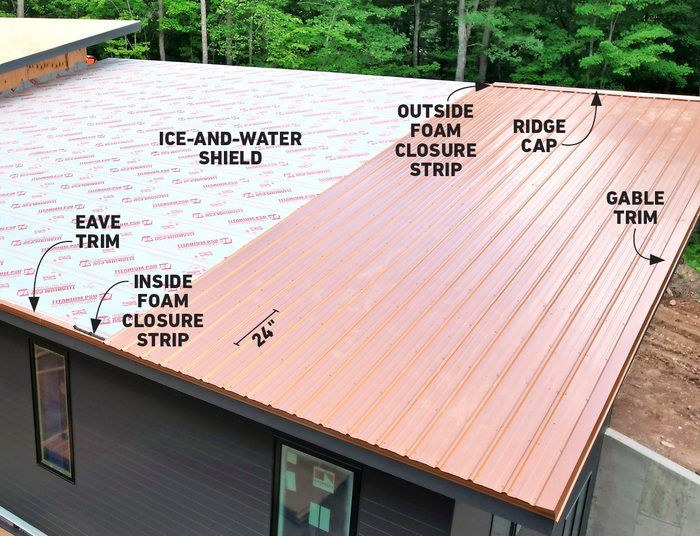
Mastering Metal: Step-by-Step Guide to Installing Metal Sheet Roofing
metálica es una excelente opción para proteger tu casa o edificio debido a su durabilidad, atractivo visual y bajo mantenimiento. Si estás considerando...