Eliminate Condensation: Step-by-Step Guide to Stop Moisture on Metal Roofs
Do you often notice water droplets forming on the underside of your metal roof? This isn't a sign of leaks, but rather, condensation. While harmless, it can lead to mold and mildew growth if left unchecked. Here's a comprehensive guide on how to stop condensation on a metal roof and maintain its longevity.
Understanding condensation is key to preventing it. When warm, moist air comes into contact with a cooler surface, like your metal roof on a cold day, the water vapor condenses and turns into liquid. Here's how you can manage this process and keep your metal roof condensation-free.
Improving Roof Ventilation
Proper attic ventilation is crucial for preventing condensation. By allowing cooler air to circulate, you can maintain a consistent temperature and minimize moisture buildup.


The general rule is to have 1 square foot of vent space for every 150 square feet of attic floor space. Ensure you have a balanced system with vents at both the ridge and eaves, allowing for a continuous flow of air.
Ridge Ventilation
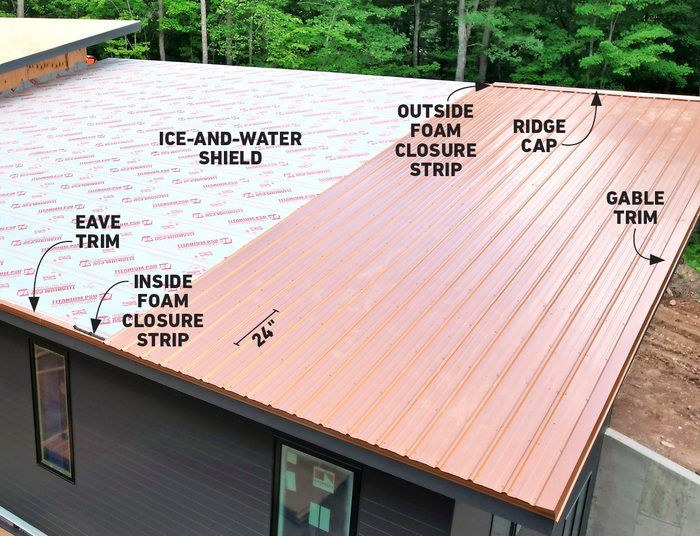
A ridge vent runs along the peak of your roof, actively drawing hot air out of your attic. It's a discreet and effective option that blends in with your roof's design.


Professional installation is key here. The vent should be sealed properly to prevent indoor air from escaping, and it should be compatible with your roof's design and age.
Eave Ventilation
Eave vents, also known as soffit vents, are installed along the overhang of your roof's eaves. They allow cool air to enter your attic, creating a natural flow that carries hot air out through the ridge vents.
Like ridge vents, proper installation is essential. Ensure they're not blocked by insulation, allowing for unrestricted airflow.
Insulating Your Attic
Insulation plays a vital role in preventing condensation. It not only keeps your home warm but also helps maintain a consistent temperature in your attic, reducing the likelihood of condensation.
A well-insulated attic can also help you save on energy costs, making it a smart long-term investment.
Proper Insulation Techniques
The key to effective attic insulation is to blanket the entire floor, ensuring no gaps or bare spots remain. Use a material with high R-value for improved thermal resistance, like fiberglass, cellulose, or spray foam.
Don't forget to insulate knee walls, ducts, and cathedral ceilings as well. These areas require specialized techniques, so consider consulting a professional for personalized advice.
Adding a Vapor Barrier
A vapor barrier is a thin plastic sheet that prevents water vapor from passing through the insulation. It's typically installed on the warm side of the insulation, which in a cold climate, is the attic floor.
However, in warmer climates, it may be more effective to install it on the roof deck. Consult with a local expert to determine the best placement for your home.
Sealing Air Leaks
Air leaks can introduce moisture into your attic, increasing the risk of condensation. Sealing these leaks can significantly improve your attic's ventilation and reduce condensation.
Look for gaps around plumbing vents, chimneys, light fixtures, and attic hatchways. Seal them using caulk, foam sealant, or weatherstripping, depending on the size and location of the leak.
Regular inspections and maintenance can help you spot and address air leaks promptly. In fact, it's recommended to inspect your attic at least once a year to ensure it's in optimal condition.
Understanding and managing condensation on your metal roof is crucial for maintaining its integrity and longevity. By improving ventilation, insulating your attic, and sealing air leaks, you can create a healthy environment that prevents moisture buildup. So, don't let condensation dampen your spirits. Take action now and enjoy a safe, dry roof for years to come.
Related Articles

"Create Stunning Flat Roofs in Revit: Step-by-Step Guide"
Embarking on the journey to create a flat roof in Revit involves a combination of understanding the tool's capabilities and mastering a few key steps. This...

Mastering Flat Roofs in Sims 4: A Step-by-Step Guide
Want to add a unique touch to your Sims 4 home? Discover how to create a flat roof, a stylish and contemporary design element, to make your builds stand out...

Mastering Revit: Step-by-Step Guide to Create Flat Roofs
A well-crafted flat roof can enhance your building's aesthetics and functionality, but designing one in Revit can be challenging. Here's a comprehensive guide...
How to Install Metal Roofing on Flat Roof: Step-by-Step Guide
Transitioning your flat roof to metal can significantly boost durability and longevity, but the process demands careful planning and expert execution. This...

Mastering Curved Roofs: A Step-by-Step Guide in Revit
Crafting a curved roof in Autodesk Revit involves a combination of understanding the software's capabilities, utilizing the right tools, and applying some...
Prevent Condensation: Metal Roof Solutions
If you're a homeowner with a metal roof, you're likely familiar with the issue of condensation. While metal roofs are durable and long-lasting, they can also...