How to Tell if You Have a Medical Malpractice Case
Have you recently received medical treatment that didn't go as planned? Or perhaps you've suffered harm due to a medical professional's actions? If so, you might be wondering, "Do I have a medical malpractice case?" Knowing when to take legal action can be challenging, but understanding the key elements of a malpractice claim can help you decide.
Medical malpractice occurs when a healthcare professional provides care that falls below the acceptable standard, resulting in harm to the patient. However, not every poor outcome equals malpractice. Proving negligence requires a thorough understanding of the law and the specific circumstances surrounding your case.
Understanding Medical Malpractice
Before exploring the steps to determine if you have a case, it's crucial to understand what medical malpractice is and what it isn't.
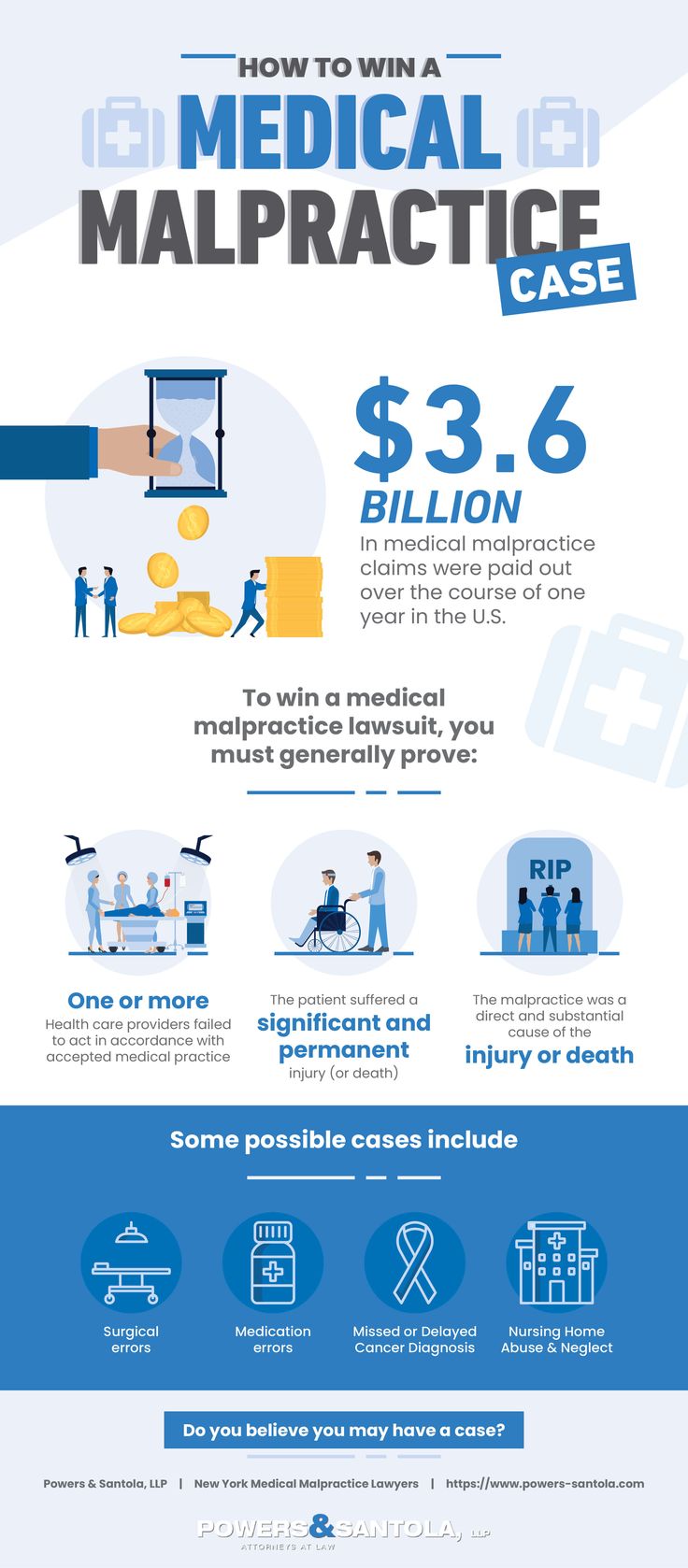


Malpractice occurs when a healthcare professional breaches the standard of care, causing injury or harm. The standard of care refers to the level and type of care a competent and reasonable healthcare professional would provide under similar circumstances. A poor outcome alone isn't enough to prove malpractice.
Elements of a Medical Malpractice Case
To succeed in a medical malpractice lawsuit, you must prove four key elements:


- Duty of Care: The healthcare professional must have owed you a duty of care. This is typically established by showing that a provider-patient relationship existed.
- Breach of Duty: The healthcare professional must have breached their duty by falling below the standard of care. This requires expert testimony to establish.
- Causation: The breach of duty must have caused your injury. This can be difficult to prove, especially when dealing with complex medical issues.
- Damages: You must have suffered actual harm or damages as a result. These can be physical, emotional, or financial.
Common Types of Medical Malpractice
Medical malpractice can take many forms. Here are some of the most common:
- Misdiagnosis or Delayed Diagnostics: Failing to diagnose a condition or delaying a diagnosis can have serious consequences, especially in cases where prompt treatment is crucial.
- Surgical Errors: This includes performing the wrong surgery, operating on the wrong body part, or leaving foreign objects inside a patient.
- Medication Errors: Prescribing the wrong medication, the wrong dosage, or failing to consider a patient's allergies can lead to serious harm.
- Birth Injuries: Improper care during pregnancy, labor, or delivery can result in lifelong injuries to the baby, such as cerebral palsy or Erb's palsy.
Assessing Your Potential Case
Now that you understand the basics of medical malpractice, let's explore how to determine if you have a valid case.
Before proceeding, it's essential to consult with a medical malpractice attorney. They can provide a professional opinion based on your specific circumstances and the applicable laws in your state.
Gather Your Medical Records
To assess your case, you'll need to gather all your medical records related to the incident. These should include:
- Medical history and background
- Diagnostic tests and results
- Treatments and procedures
- Communication between you and your healthcare provider
Consult with Medical Experts
Proving medical malpractice requires the testimony of a qualified medical expert. This expert will review your medical records and provide an opinion on whether the care you received fell below the acceptable standard. They can also testify about the causation of your injuries.
Many medical malpractice attorneys have established relationships with medical experts in various specialties who can review cases and provide knowledgeable opinions.
Determine the Statute of Limitations
Each state has its own regulations regarding medical malpractice lawsuits, including specific time limits known as "statutes of limitations." These can range from one to six years after the incident occurred or when you discovered the harm. Missing the deadline can bar you from pursuing a lawsuit, so it's crucial to act promptly.
If you suspect you've been a victim of medical malpractice, take the first step and consult with a knowledgeable attorney. They can help you understand your rights and guide you through the complex legal process. Don't wait - the sooner you take action, the better your chances of obtaining the justice you deserve.
Related Articles

How to Know If You're Born for Bodybuilding
Ever wondered if you're cut out for bodybuilding, both literally and metaphorically? Many individuals are drawn to the world of bodybuilding, yet the path to...

Arlo Camera Charging: How to Tell When It's Fully Powered
Understanding whether your Arlo camera is fully charged is crucial for ensuring optimal performance and avoiding unexpected shutdowns. Arlo cameras are...

Is Your Crush on Bumble? Here's How to Tell
Ever found yourself curious about whether someone's on Bumble, the popular dating app? You're not alone. With countless users worldwide, it's natural to wonder...

How to Tell When Your Kombucha is Ready
So, you've decided to brew your own kombucha? That's great! But how do you know when your bubbly, probiotic-rich elixir is ready? Fear not, as this guide will...

How to Tell If a Coworker Likes You
Navigating the intricacies of office politics can often leave us questioning our co-workers' behavior. One of the most common queries is deciphering whether...

How to Tell When Your 3DS is Fully Charged
Ah, the Nintendo 3DS, a handheld gaming gem that's been a staple for many since its release. But as with all devices, keeping track of its battery life can be...