Step-by-Step Guide: Installing a Metal Roof on a Mobile Home
Embarking on a home improvement project like installing a metal roof on your mobile home can seem daunting, but with the right guidance and step-by-step process, it's a task you can accomplish with confidence. Metal roofs offer numerous benefits such as durability, low maintenance, and enhanced aesthetics, making them an excellent choice for mobile homes. In this comprehensive guide, we'll walk you through the process of installing a metal roof on your mobile home, ensuring you understand each step before moving on to the next.
Before we dive into the process, it's crucial to familiarize yourself with the different types of metal roofs available and their pros and cons. This will help you make an informed decision based on your mobile home's architecture, your personal preferences, and your budget. Once you've chosen the perfect metal roof for your home, let's gather the necessary tools and materials, and prepare for the installation.
Preparation and Planning
Preparation is key to a successful metal roof installation. Begin bycompile a list of tools and materials required for the job. A typical metal roof installation project would need items such as metal roof panels, flashing, water and ice shield, ribbed insulation, roofing nails, screws, and a roofing hammer. Additionally, you'll require safety equipment like a harness and safety glasses. Don't forget to rent or purchase necessary tools like a nail gun, tin snips, and a ladder.


A thorough inspection of your mobile home's roof is the next critical step. Remove any existing roofing, ensuring the underlying structure is clean, dry, and free from damage. Installing a metal roof over damaged or rotting plywood wouldn't be wise. Instead, make any necessary repairs before proceeding with the installation. Moreover, check the roof's pitch – metal roofs are suitable for slopes of 3:12 or greater, so if your roof pitch is less than this, consider adding additional support to ensure the panels lay flat.
Choosing the Right Materials
Selecting the right metal roofing material is essential for a durable and long-lasting installation. Common choices include steel, aluminum, and copper. Each material offers unique advantages, and your decision should factor in factors like your climate, budget, and desired lifespan. For example, steel roofs are known for their strength and affordability, while aluminum is a popular choice in coastal areas due to its resistance to corrosion. Copper is highly durable and provides an attractive, timeless appearance, but it's also more expensive.


In addition to the roofing material, you'll also need to consider the type of metal roofing panel. Options include standing seam, trapezoidal panels, and metal shingles. Standing seam panels are more expensive but offer excellent durability and a uniform appearance. Trapezoidal panels are typically less expensive and provide a more rustic look, while metal shingles can mimic the appearance of traditional asphalt or tile roofs.
Understanding the Roofing System
Metal roofs are manufactured with specific patterns and interlocking systems designed to work together for optimal performance. Familiarize yourself with the interlocking system of your chosen roofing panels, as this will dictate the installation process. Some systems use hidden fasteners, snapping panels together without the need for visible nails or screws, while others use exposed fasteners that secure the panels to the roof structure.
Moreover, understand the role of additional components like drip edges, flashing, and water and ice shields. Drip edges protect the edges of your roof from water intrusion, while flashing safeguards vulnerable areas like valleys, vents, and chimneys. Water and ice shields provide an additional barrier against moisture penetration, especially in colder climates with heavy snow loads.
Metal Roof Installation Process
With the necessary tools, materials, and understanding of the roofing system in place, it's time to begin the metal roof installation process. Start by installing a layer of ribbed insulation on the roof deck. This will enhance the roof's thermal performance and reduce noise caused by rainfall or hail. Secure the insulation in place using a appropriate adhesive or fasteners, ensuring it's flat and free from any wrinkles or bubbles.
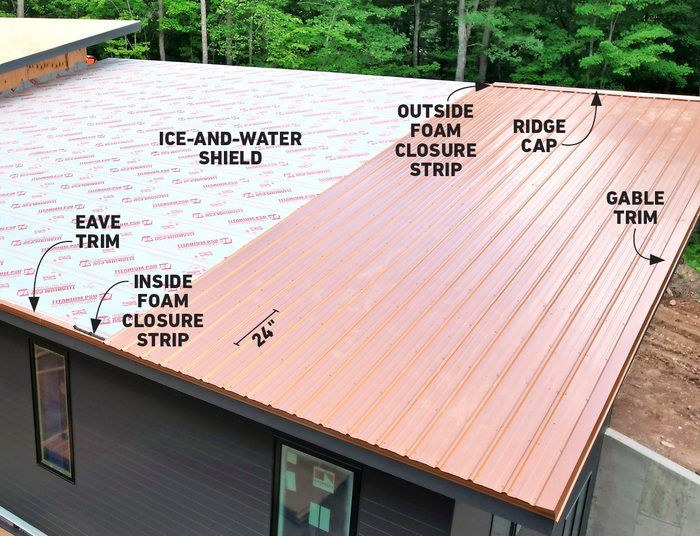
Next, install the water and ice shield along the eaves and rakes of your mobile home's roof. This critical barrier should overlap at least 4 inches onto the underlying surface and extend up the roof at least 24 inches. Cover any valleys or other areas prone to ice dams with additional water and ice shield material to provide extra protection against water intrusion.
Installing the Metal Roof Panels
Begin installing your metal roofing panels at the lowest point on your mobile home's roof, typically the eave. Secure a starter strip along the edge of the roof, ensuring it's straight and level. This strip will act as the starting point for your first row of roofing panels. Align the first panel with the starter strip, following the manufacturer's guidelines for proper flashing and installation at the edge of the roof.
Continue installing metal roofing panels across the length of the roof, ensuring each panel is properly aligned with the previous one and secure it following the manufacturer's recommended nailing schedule. Use either a roofing hammer or nail gun, depending on the fasteners provided with your roofing material. Maintain proper exposure for overlapping panels, usually 1 to 1.5 inches, to ensure adequate drainage and waterproofing.
Installing Flashing and Accessories
As you reach vulnerable areas like valleys, vents, and chimneys, install appropriate flashing to protect these areas from water intrusion. Prefabricated metal flashing is available for common roof details, or you can create custom flashing using tin snips and sheet metal. Ensure the flashing is properly integrated with the underlying roofing material and secure it in place using the appropriate fasteners and sealants.
Install drip edges along the lower edges of your mobile home's roof to protect the edges from water damage and provide a clean, finished appearance. Position ridge caps or vent flashing at the peak of the roof, completing the installation process. Inspect your work thoroughly, ensuring all panels are secure, flashing is properly installed, and any leaks or potential issues are addressed.
Maintaining Your Metal Roof
With proper installation, your metal roof should provide many decades of reliable protection. However, regular maintenance will ensure its long-term performance and appearance. Inspect your roof annually, checking for any signs of damage, corrosion, or loosened fasteners. Address any issues promptly to prevent minor problems from becoming major concerns.
Keep your metal roof clean by removing debris and accumulated dirt regularly. This will not only preserve the roof's appearance but also help prevent the growth of moss, algae, or other organisms that could potentially damage the roofing material. In regions with heavy snow loads, consider hiring a professional to remove accumulated snow and ice from your roof to prevent damage from excess weight.
Metal roofs are an excellent choice for mobile homes, offering longevity, durability, and low maintenance. By understanding the installation process and committing to regular maintenance, you can enjoy the many benefits of a metal roof for years to come. Happy DIYing, and may your metal roof keep your mobile home safe and dry for decades to come!
Related Articles

Mastering PoleDancing: Step-by-Step Guide to Installing a Pole at Home
Embarking on a pole dancing journey is an exhilarating experience that combines strength, grace, and confidence. One of the first steps is setting up the...
How to Install Metal Roofing on Flat Roof: Step-by-Step Guide
Transitioning your flat roof to metal can significantly boost durability and longevity, but the process demands careful planning and expert execution. This...

Mastering Tin: A Step-by-Step Guide to Installing a Roof
Embarking on a home improvement project like installing a tin roof can seem daunting, but with the right guidance, it's a task well within the grasp of many...

Mastering Blender: Step-by-Step Guide to Installing Add-Ons
Blender, a free and open-source 3D computer graphics software toolset, has a vast array of community-created add-ons that can enhance your 3D modeling...

Step-by-Step Guide: Installing SSL on GoDaddy
Securing your website with an SSL certificate is now more important than ever. In the digital age, data privacy and security are paramount. If you've bought an...

Mastering Minecraft: A Step-by-Step Guide to Installing Forge
Hello, Minecraft enthusiasts! Today, we're going to guide you through the process of installing Minecraft Forge, a powerful mod loader that significantly...