How to Remove Heat Stains from Wood Table
Do you have a beautiful wood table that's been somewhat marred by heat stains? Perhaps from a hot pan left on the surface, or a misplaced glass ring? Don't despair, as you can effectively remove heat stains from your wood table with some diligence and the right approach. Here's a step-by-step guide to help you restore your table's natural beauty.
Before we dive into the methods, remember that wood is a sensitive material. Always ensure your table is clean and dry before attempting any stain removal. Additionally, never use excessive force or heat, as this can damage the wood's finish. Let's now explore two primary methods to tackle heat stains.
Method 1: Water and Baking Soda
This gentle, eco-friendly, and commonly available method is perfect for minor heat stains. Baking soda can help lift stains due to its mild abrasive properties and alkaline nature.


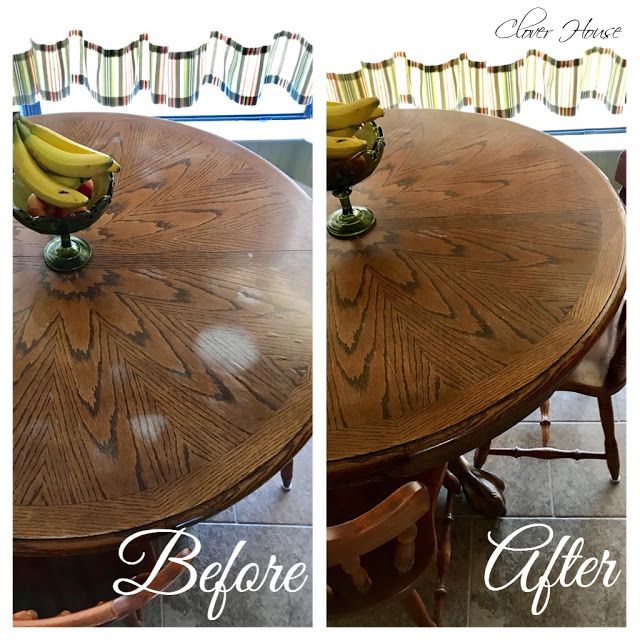
Before starting, ensure you have microfiber cloths, baking soda, a soft-bristled brush or cotton swab, and water. Let's begin!
Creating the Paste
In a small bowl, mix baking soda and water to form a thick, spreadable paste. The consistency should be similar to toothpaste. If the mixture is too dry, add more water; if too wet, add more baking soda.


Pro tip: Use distilled or filtered water to avoid mineral deposits that could potentially harm the wood.
Applying the Paste
Dip your soft-bristled brush or cotton swab into the baking soda paste. Gently apply the paste to the heat stain, ensuring even coverage. Be careful not to spread the stain or scratch the wood's surface.
Let the paste sit on the stain for approximately 30 minutes to an hour, allowing it to work its magic. Periodically check the progress, and if necessary, reapply the paste.
Rinsing and Wiping
Once the stain has lightened or disappeared, carefully dampen a clean microfiber cloth with distilled water. Wipe the treated area gently to remove the baking soda paste.
Pat the area dry with a second damp microfiber cloth, ensuring no residual moisture remains. Allow the table to air dry completely before treating the area with mineral oil or a suitable wood polish to restore its protective finish.
Method 2: Toothpaste and Baking Soda
This method combines the stain-lifting power of baking soda and the gentle abrasion of toothpaste to tackle deeper heat stains. However, it's crucial to use plain white toothpaste without additional whitening agents or tartar control, as these can damage the wood's finish.
You'll need white toothpaste, baking soda, a soft-bristled brush or cotton swab, microfiber cloths, and water.
Combining the Products
In a small bowl, mix a pea-sized amount of white toothpaste with a teaspoon of baking soda. Stir until well combined, and add a few drops of water if the mixture is too thick to spread easily.
Pro tip: Avoid using gel-based or tartar control toothpaste, as these can damage the wood's finish.
Applying the Mixture
Using your soft-bristled brush or cotton swab, apply the toothpaste-baking soda mixture to the heat stain. Gently rub the mixture into the stain, working in small, circular motions. Be careful not to spread the stain or damage the wood's surface.
Let the mixture sit on the stain for around 30 minutes to an hour, enabling it to break down and lift the stain. Monitor the progress, and reapply the mixture if needed.
Buffing and Wiping
Once the stain has disappeared, saturate a clean microfiber cloth with warm water and wring it out to remove excess moisture. Gently wipe the treated area to remove the toothpaste-baking soda mixture.
Pat the area dry with a second damp microfiber cloth, ensuring no residual moisture remains. Allow the table to air dry completely, and then apply a thin layer of mineral oil or a suitable wood polish to restore the protective finish.
Preventing Heat Stains in the Future
Prevention is always better than cure. Here are a few tips to keep your wood table safe from heat stains:
1. Always use coasters and trivets to protect the table from hot items.
2. Place a cloth or silicone mat between the table and metal or glass objects to absorb condensation.
3. Regularly clean and maintain your wood table using a suitable wood cleaner and conditioner to keep its finish in good condition.
With these tips and methods, you're well-equipped to remove heat stains from your wood table and keep it looking beautiful for years to come.
Related Articles
How to Remove Heat Stains from Wooden Tables
Nothing can diminish the charm of a wooden table like heat stains. These unsightly marks can appear from hot pots, pans, or even mugs left unattended...

Restoring Wood Tables: Remove Nail Polish Stains with Ease
Ever accidentally used nail polish remover on your wooden table instead of that stubborn stain? Fear not, as it's a common mistake, and your wooden table can...

"Strip Totals from PivotTable: Step-by-Step Guide"
When working with PivotTables, you might find that they include a 'Total' row by default, aggregating data from your source table. However, sometimes this...

How to Remove Oil Stains from Timberland Boots: A Step-by-Step Guide
Timberland boots are renowned for their durability and ruggedness, but unfortunately, they're not immune to stains, especially oil stains. Whether it's from a...

How to Effortlessly Remove Hard Water Stains from Fish Tank Glass
If you're a fish enthusiast, there's nothing quite as satisfying as maintaining a pristine glass aquarium. However, hard water can leave unsightly stains over...

How to Remove Hard Water Stains from Aquarium
Is your aquarium suffering from those unsightly, crusty hard water stains? Don't let them cloud the view of your vibrant underwater world. With the right...