Mastering Graffiti Art: Your Step-by-Step Guide
The vibrant, bold, and often controversial world of graffiti art has captivated public imagination for decades. This unauthorized, yet widely celebrated form of street art spans from intricate, multi-layered murals to simple, yet powerful tagging. If you've ever been drawn to the audacity and creativity of graffiti art and wondered how to create your own piece, you're in the right place.
This comprehensive guide will take you through the exciting world of graffiti art, exploring its history, techniques, tools, and styles. Whether you're a seasoned artist looking to refine your skills or a beginner eager to learn, there's something valuable for everyone in the art of graffiti. Let's get started on this urban art journey!
Understanding Graffiti Art
Graffiti art is steeped in a rich historical and cultural context. It dates back to ancient times, with examples found on the walls of Pompeii and Rome. However, modern graffiti as we know it emerged in the late 1960s-1970s in New York City's multicultural neighborhoods, giving voice to the voiceless and expressing urban youth's unity, identity, and rebellion.
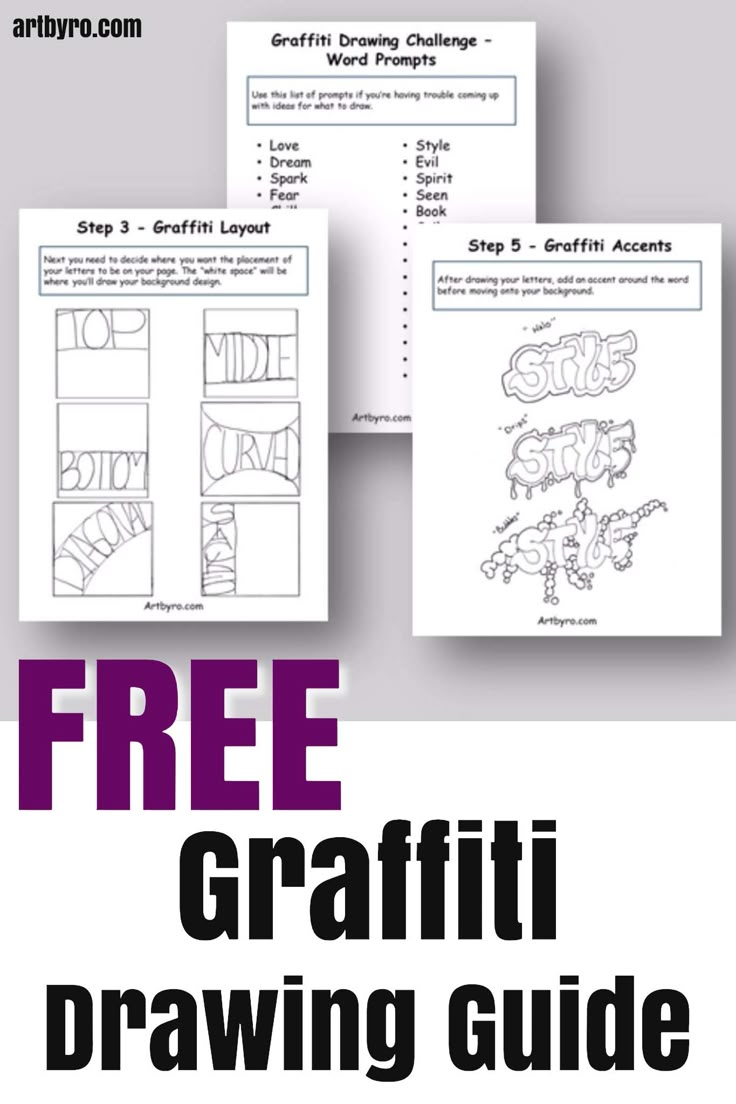


Since then, graffiti has evolved into a global phenomenon, branching into various styles like Wildstyle, Blockbuster, Old School, and more. It's important to understand these styles to appreciate the diversity and complexity of the graffiti art world.
Key Styles of Graffiti Art
Wildstyle: This complex, abstract, and typography-based style is considered the purest form of graffiti. It's known for its interlocking letters, vibrant colors, and 3D effects, making it challenging to read yet visually arresting.

Blockbuster: This style focuses on simplicity and clarity over complexity. It emphasizes large, often comic-inspired characters andarger-than-life designs that command attention and dominate walls.
Graffiti Artists and crews
Graffiti artists, often called writers or painters, typically work in crews. These groups may be founded on shared styles, techniques, or geographical locations. Crews allow artists to learn from each other, collaborate, and cover larger surfaces with their art.
Famous graffiti artists like Keith Haring, Jean-Michel Basquiat, and Banksy have broken into the mainstream art world, blurring the lines between graffiti and fine art. Yet, many graffiti artists remain anonymous, content to let their art speak for itself on the city's walls.
Getting Started with Graffiti Art
Before you grab your paintbrush and hit the streets, there are essential tools and techniques you need to learn and master. From choosing the right materials to understanding perspective and proportion, these fundamentals will set you on the path to creating stunning graffiti art.
Remember, graffiti is largely about practice and patience. Don't be discouraged by the difficulty or the law. Legitimate walls and sanctioned events exist where you can practice and showcase your art legally and safely.
Tools of the Trade
A good graffiti artist is only as good as their tools. Invest in quality spray paint, markers, and other essentials. Some recommended brands include Montana, Molotow, and Krink. Experiment with different cap sizes and flow rates to find what works best for you.
Other necessary items include hard hats, work gloves, a tool carrier, and canvas or boards for practice. Also, consider investing in a compressor and paint/grafiti specific markers for more detailed work.
Mastering Techniques
Learning graffiti techniques allows you to create complex, eye-catching designs. Start with basic drips, fades, and lines, then move on to more advanced techniques like color blending, three-dimensional effects, and intricate patterns.
Practice lettering and piecing (filling in letters with backgrounds) to develop your personal style. Watch tutorials by established artists, attend workshops, and study your favorite pieces to learn and perfect your technique.
Exploring Graffiti Subcultures
Graffiti art isn't just about creating eye-catching pieces - it's about being part of a community and expressing your unique voice. Engaging with graffiti subcultures can inspire you, push your boundaries, and deepen your understanding and appreciation for the art form.
Actively participate in local graffiti scenes by attending events, joining crews, and painting legally. Engage with other writers, share your work, and learn from more experienced artists.
Legal Graffiti Spaces
Unfortunately, law enforcement often views graffiti as vandalism. To avoid legal trouble, look for sanctioned walls, events, and art galleries that support and encourage street art. Here are a few examples:
- Montana Colors stores and graffiti parks
- Graffiti Events - like Meeting of Styles, Cake Show, and Art Battles
- Grafitti Art NGOs and community spaces - like The Torch, Trust the Eye NYC, and The Point CDC
Networking and Collaborations
Connect with other artists, learn from them, and collaborate on projects. Graffiti is about more than just your individual piece; it's about being part of the culture and contributing to its growth and evolution.
Build relationships with gallery owners, writers, and other industry professionals. They can provide opportunities, exposure, and valuable feedback on your work.
Graffiti art is more than just a hobby - it's a passion, a lifestyle, and a way to communicate with the world. By understanding its history, mastering its techniques, and engaging with its subcultures, you can become an active participant in this vibrant, ever-evolving art form. So, grab your paint cans, step out onto the streets, and let your voice be heard - legally, of course! The world is waiting for your unique perspective.
Related Articles

Mastering Graffiti: Your Step-by-Step Guide to Practice
Graffiti, an underground art form with rich history and culture, is not just about vandalism, but also about self-expression, creativity, and community. If...

Mastering Kitesurfing: Your Complete Step-By-Step Guide
Soaring through the skies, kitesurfing combines the thrill of water sports with the freedom of flying. If you're eager to learn how to kitesurf and harness the...

Mastering Slow Walks: Your Step-by-Step Guide to Walking Slowly in Roblox PC
Tired of racing through Roblox on your PC? Sometimes, you just want to stroll around, take in the sights, and chat with other players without nervously...

Mastering Manual Transmissions: A Step-by-Step Guide to Replacing Your Shifter
Has your vehicle's shifter been acting up, refusing to go into gear or shifting unexpectedly? It might be time for a replacement. Replacing your car's shifter...

Mastering Aim: Your Step-by-Step Guide to Improve in Warzone
Are you struggling with your aim in Call of Duty: Warzone? You're not alone. Improving aim is a common goal among players, and it's crucial for success in this...

Mastering Cuteness: Your Step-by-Step Guide to Drawing Anything Cute
Ever found yourself captivated by adorable illustrations, wishing you could bring that same cuteness into your own drawings? You're not alone! Drawing cute...